Blog
That Noise Your Dover Garage Door Is Making Isn't Random
Most Dover garage doors date to the 1980s and 90s. Here's what grinding, popping, and banging actually mean on hardware that old, and what the cold does to it.
What Is Going On
Dover's housing stock mostly went up between the late 1980s and mid-1990s, with the broader range running from 1938 to 2008 and a median build year around 1990. That matters because a door installed when a house was built is now 30-plus years old, and the hardware on it has done tens of thousands of open-and-close cycles without most owners ever touching it. A grinding sound usually means a roller that's worn flat on one side and is no longer rolling, just scraping through the track. A sharp pop on the way up is often a torsion spring catching on a worn bearing plate instead of a clean, quiet turn. A rhythmic bang every few seconds is almost always a bent track section catching a roller at the same point in the cycle, not something getting worse evenly across the whole run. On original 1980s and 90s hardware, these sounds show up roughly in that order as the door ages - rollers first, then springs, then track. If your door is newer than that, the same noises can still happen, but they point more toward installation shortcuts than wear.
What the Weather Here Does to It
Dover sits in a cold, severe climate band, and that changes what a noise means depending on the season. Steel contracts in cold weather, and on a door with any play in the hardware - a slightly loose hinge, a track bolt that's backed off a quarter turn - that contraction turns a quiet rattle into a sharp clack you didn't hear in August. Grease that was fine all summer can stiffen up enough in a cold snap that the opener has to work harder to pull the door through the first few feet, and that extra strain often shows up as a groan right at the start of the cycle rather than a steady sound the whole way. None of this means the door is failing. It means cold metal behaves differently than warm metal, and a noise that only happens below freezing is telling you something different than one that happens year-round. The honest limit here: noise alone doesn't tell you if a part is about to fail or just needs lubrication, and guessing wrong on a torsion spring is how people get hurt. If a sound is new and it's loud, that's worth a look before you ignore it through another cold stretch.
What to Look At First
Start where the sound is loudest, not where it's easiest to see. If the noise happens as the door passes a specific spot on the track, that's where to check for a dent or a loose bracket - on houses built in the 1980s and 90s the brackets are original in a lot of cases and the lag screws can work loose over three decades of vibration. If the sound is constant through the whole cycle, it's more likely a roller or a dry hinge, and you can often spot a bad roller just by watching it - a good one spins, a worn one slides. Check the plate at the top of the opener-side spring if you can safely see it from the floor; a spring that's audibly catching will usually show rust or wear right where it's binding. Don't touch a torsion spring itself - that's not a homeowner adjustment regardless of how old the door is. What you're doing at this stage is listening and looking, not fixing.
Doing Nothing For Now
Not every noise needs an immediate call. A door that's always made a little hum and still opens smooth, closes square, and reverses when it should isn't an emergency - that's a door running the way 30-year-old hardware runs. Where it stops being fine is when the sound changes character suddenly, when it's accompanied by the door moving unevenly or jerking at one side more than the other, or when a spring makes a noise it's never made before, because a spring under tension doesn't give much warning before it lets go. Given the age of a lot of Dover's garage doors, there's no harm in a yearly look at rollers, hinges, and track bolts before a noise even starts. Waiting through one more winter on a sound you can already identify is a different decision than waiting on one you can't.
Questions
Common questions
Why does my garage door get noisier in winter?
Steel contracts in cold weather, and any slack in hinges, rollers, or track bolts becomes more noticeable as everything shrinks slightly. Grease also stiffens up, which can make the opener strain and groan at the start of the cycle. It's a real change in the door's behavior, not just your imagination.
Is a grinding noise always the rollers?
Usually, especially on houses built in the 1980s or 90s where the original rollers have been cycling for decades. A roller that's worn flat stops rolling smoothly and starts scraping against the track instead, which produces a steady grinding sound through the whole open or close cycle.
Can I fix a noisy torsion spring myself?
No. A torsion spring is under heavy tension regardless of how old or worn it sounds, and adjusting or replacing one without the right bars and training is how people get seriously hurt. If the noise is coming from the spring area, that's a call, not a DIY project.
How do I know if a noise is urgent?
A steady, familiar sound that hasn't changed isn't usually urgent. A new noise, a sudden change in how the door moves, or a door that jerks unevenly is worth looking at soon rather than waiting out the season.
Recommendation
You Might Also Like
More garage door guides for Dover homeowners.
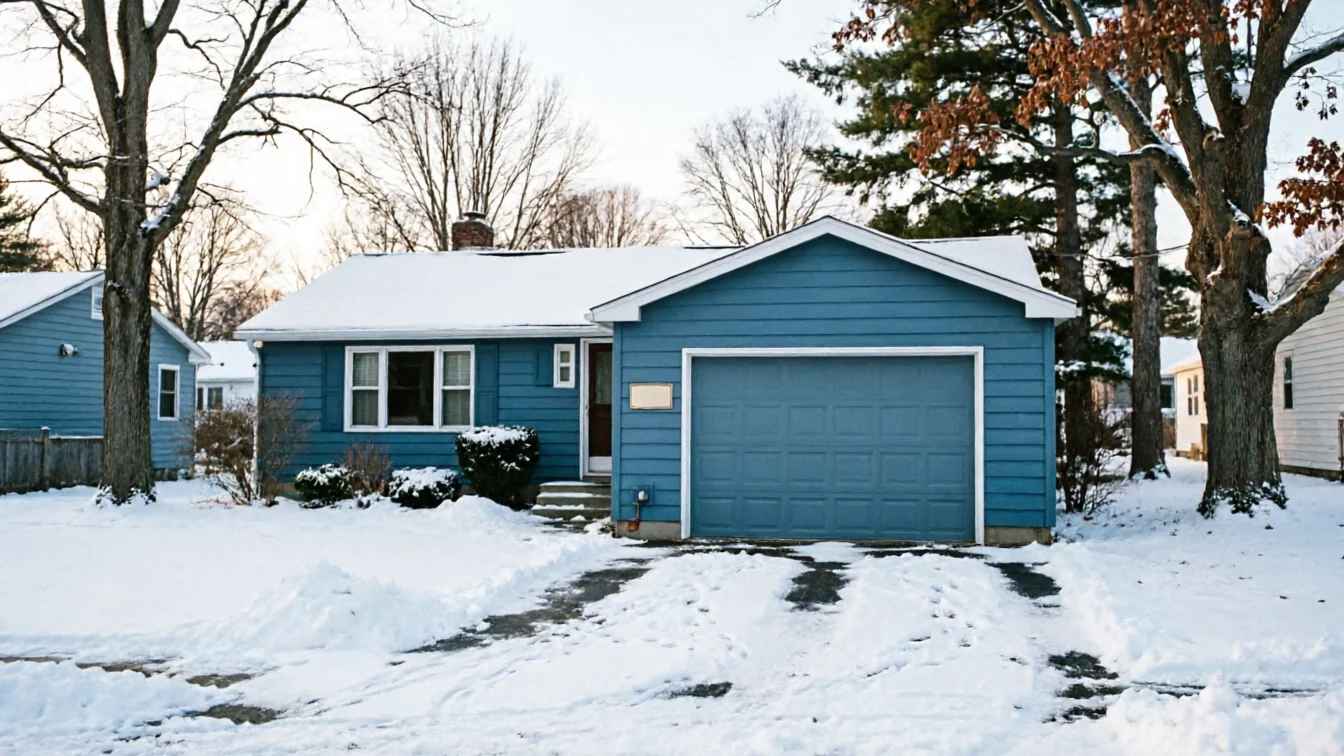 What Cold-Severe Winters Do to Dover's Older Garage Doors
Dover, DE homes built between 1938 and 2008 face cold-severe winters that strain older garage door springs and torsion hardware.
Why a Garage Door Goes Off Track Here in Dover
Dover's 1980s-90s housing stock and cold winters put real stress on garage door tracks and rollers.
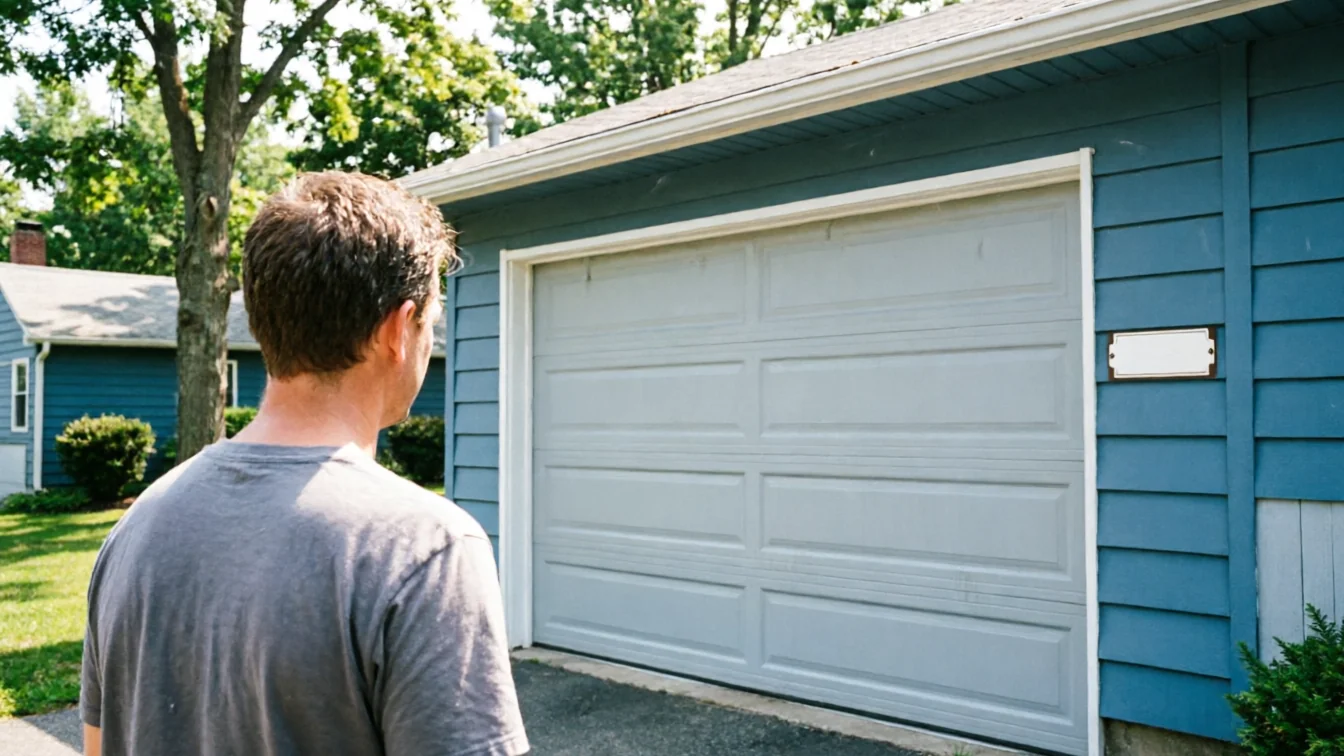 What Dover's Older Garage Doors Are Up Against
Most houses in the Dover area were built between 1938 and 2008, median 1990, with garage doors sized for a different climate than today's cold-rated code.
Ready when you are
Need a garage door sorted in Dover?
Dover Garage Door Pros repairs and installs garage doors, springs and openers in Dover, DE and the surrounding area.