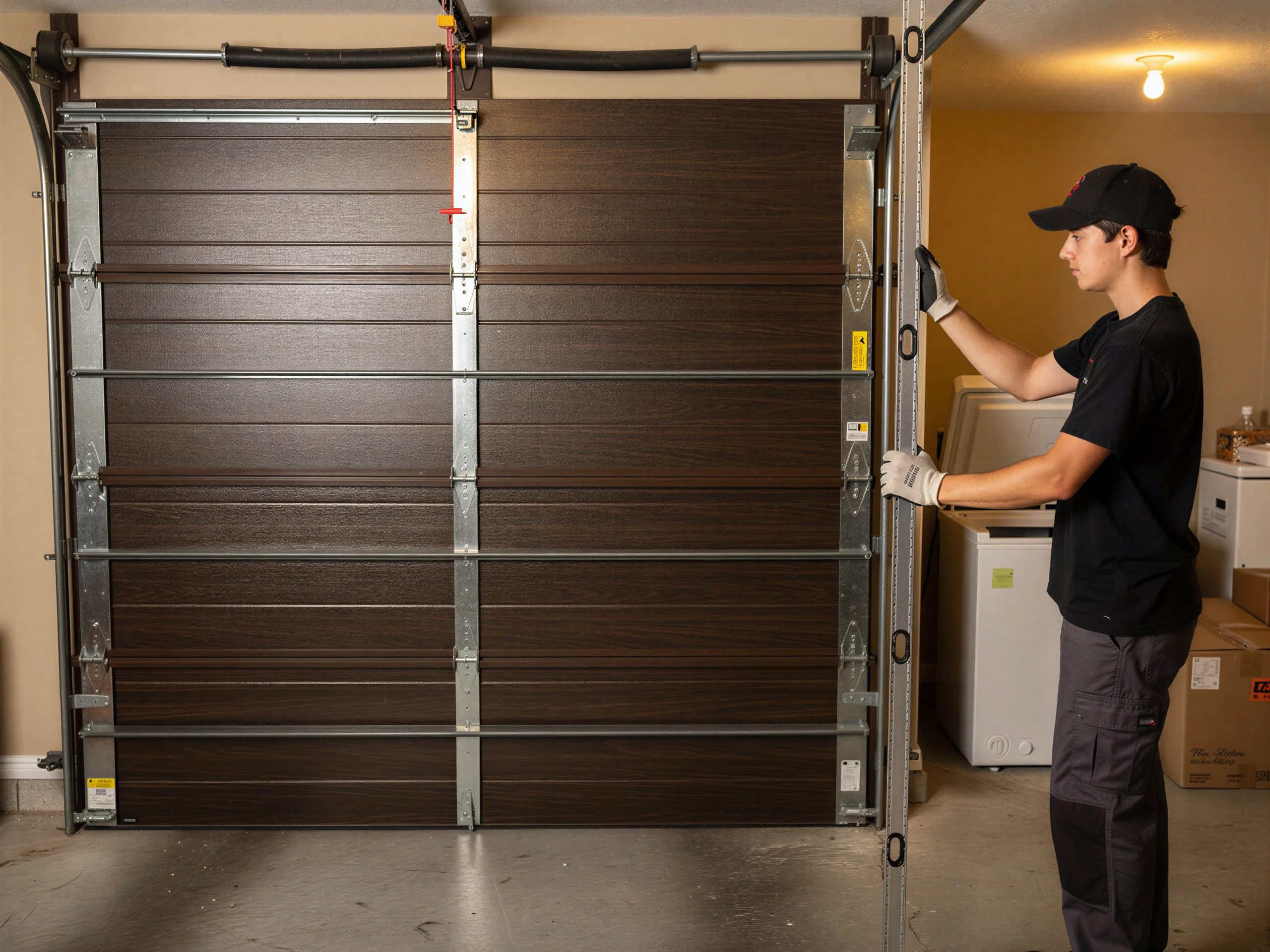
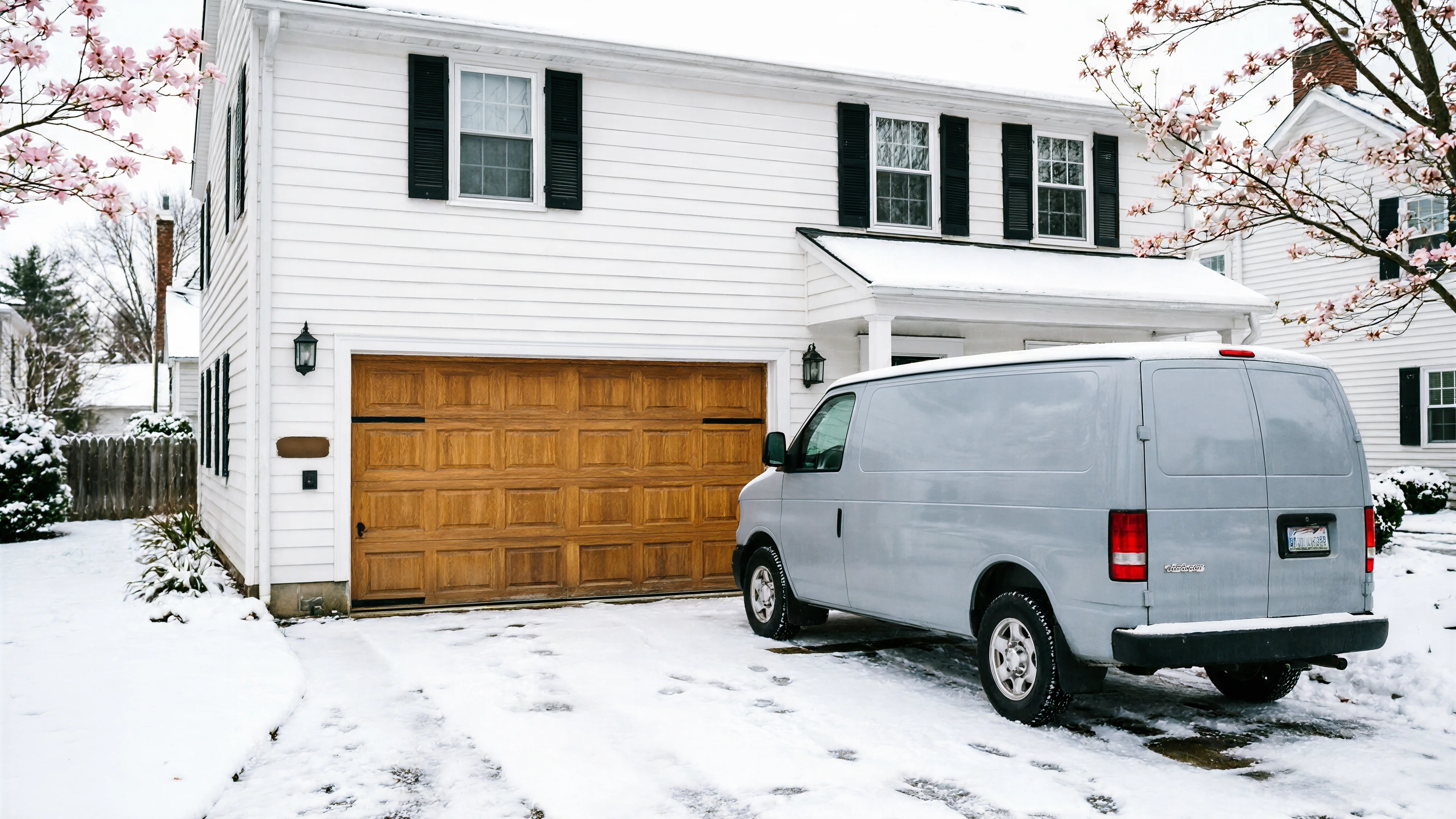
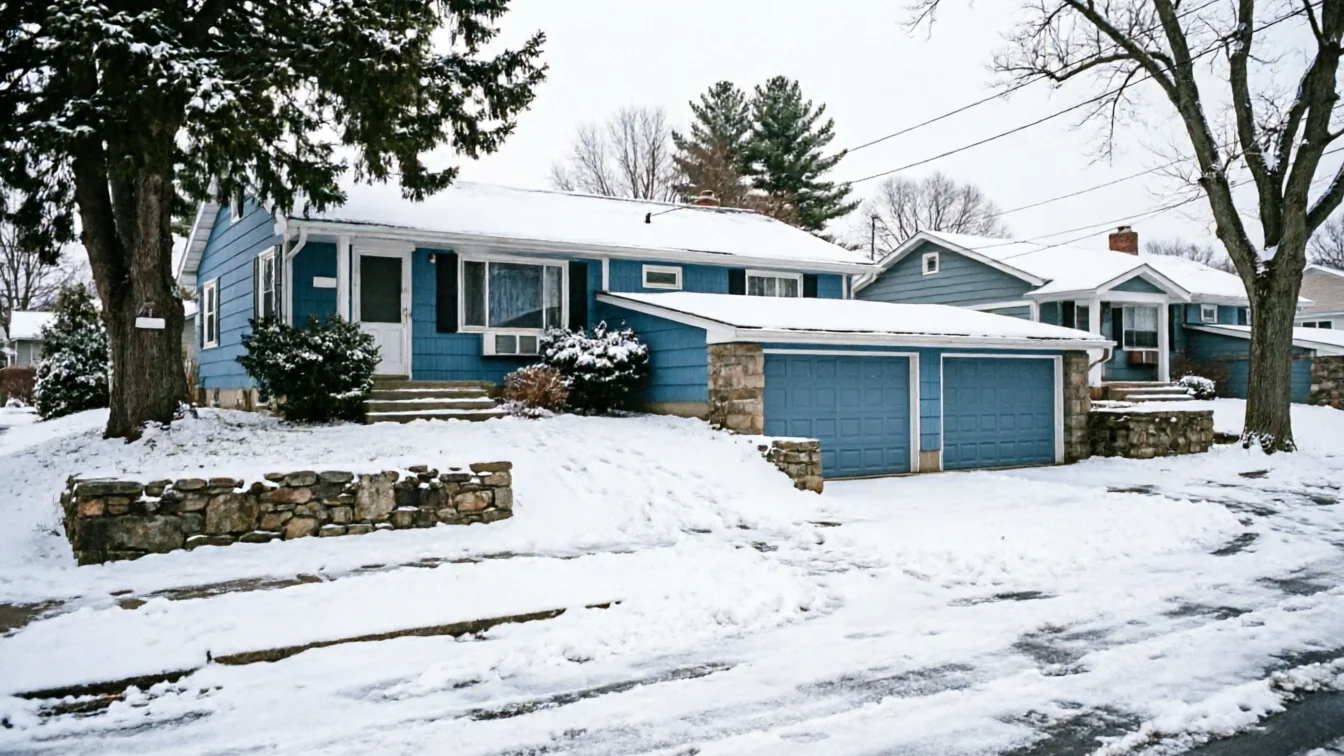
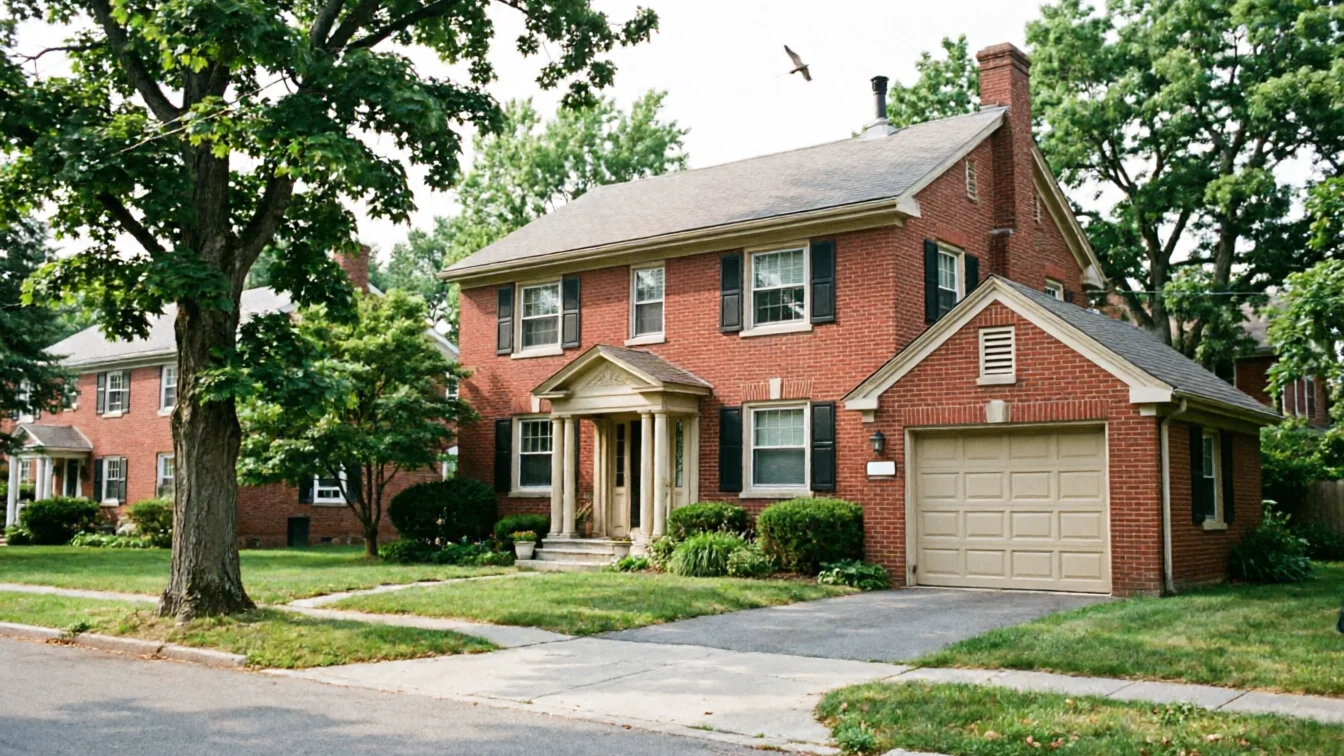
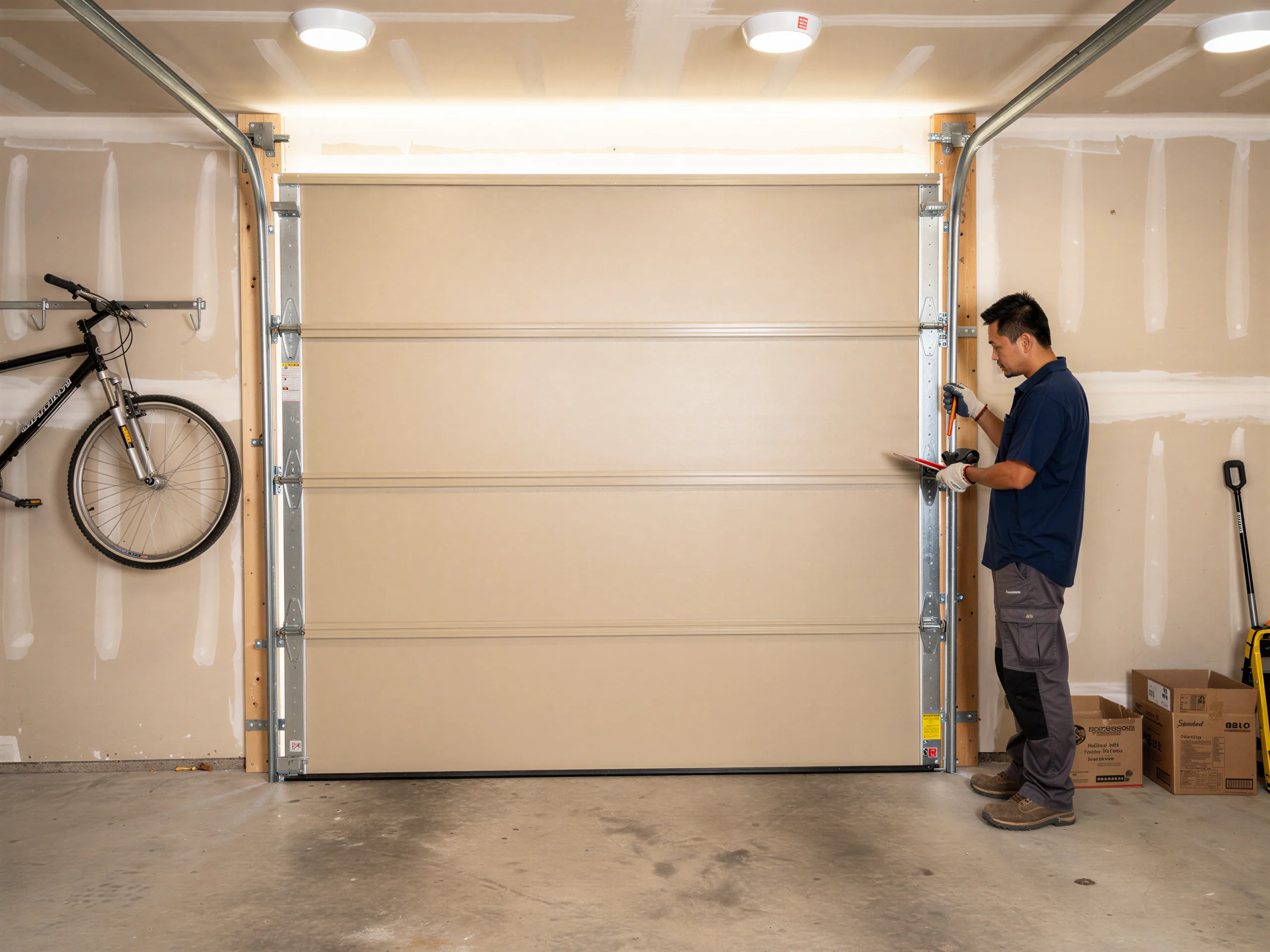
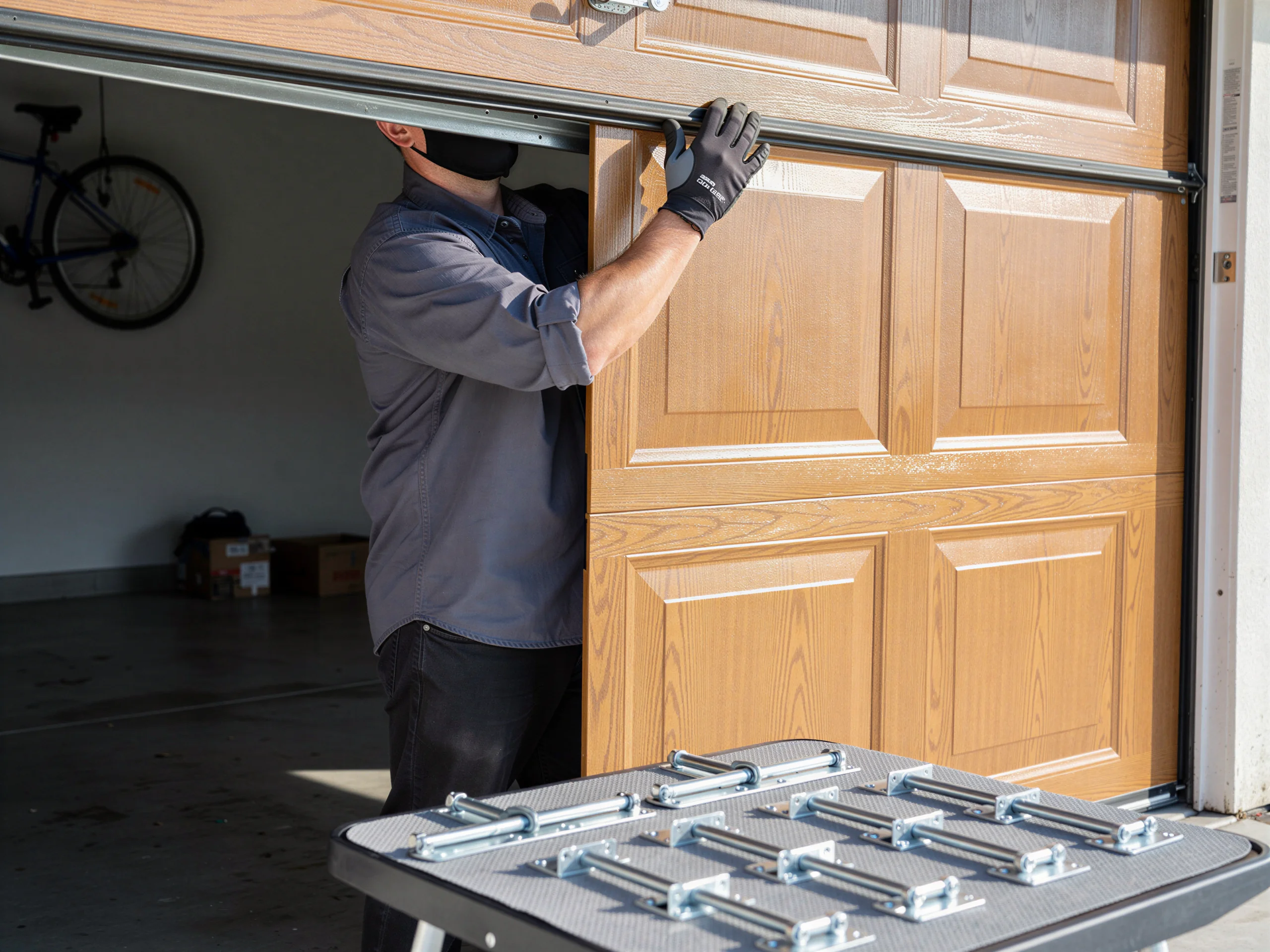
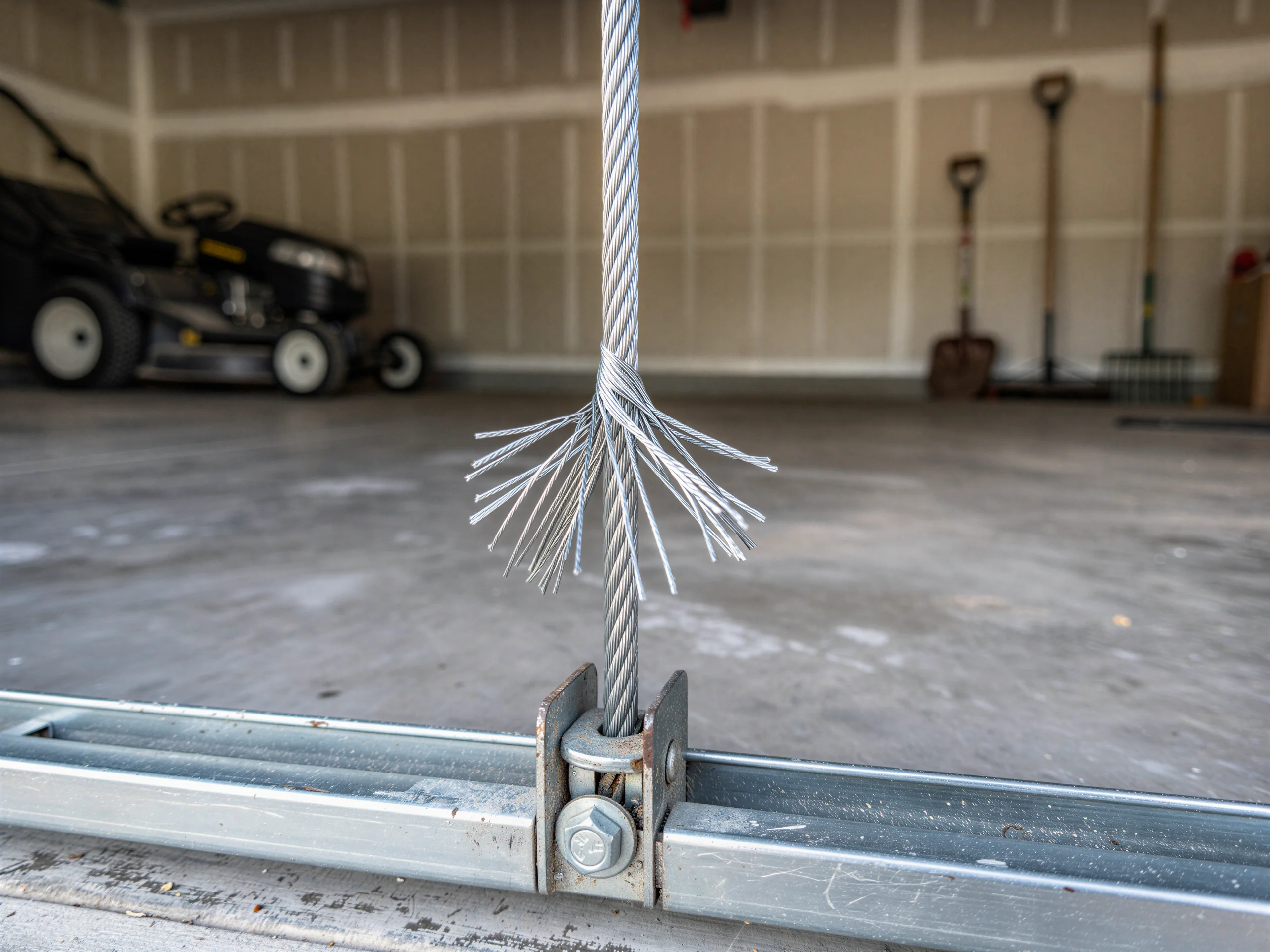
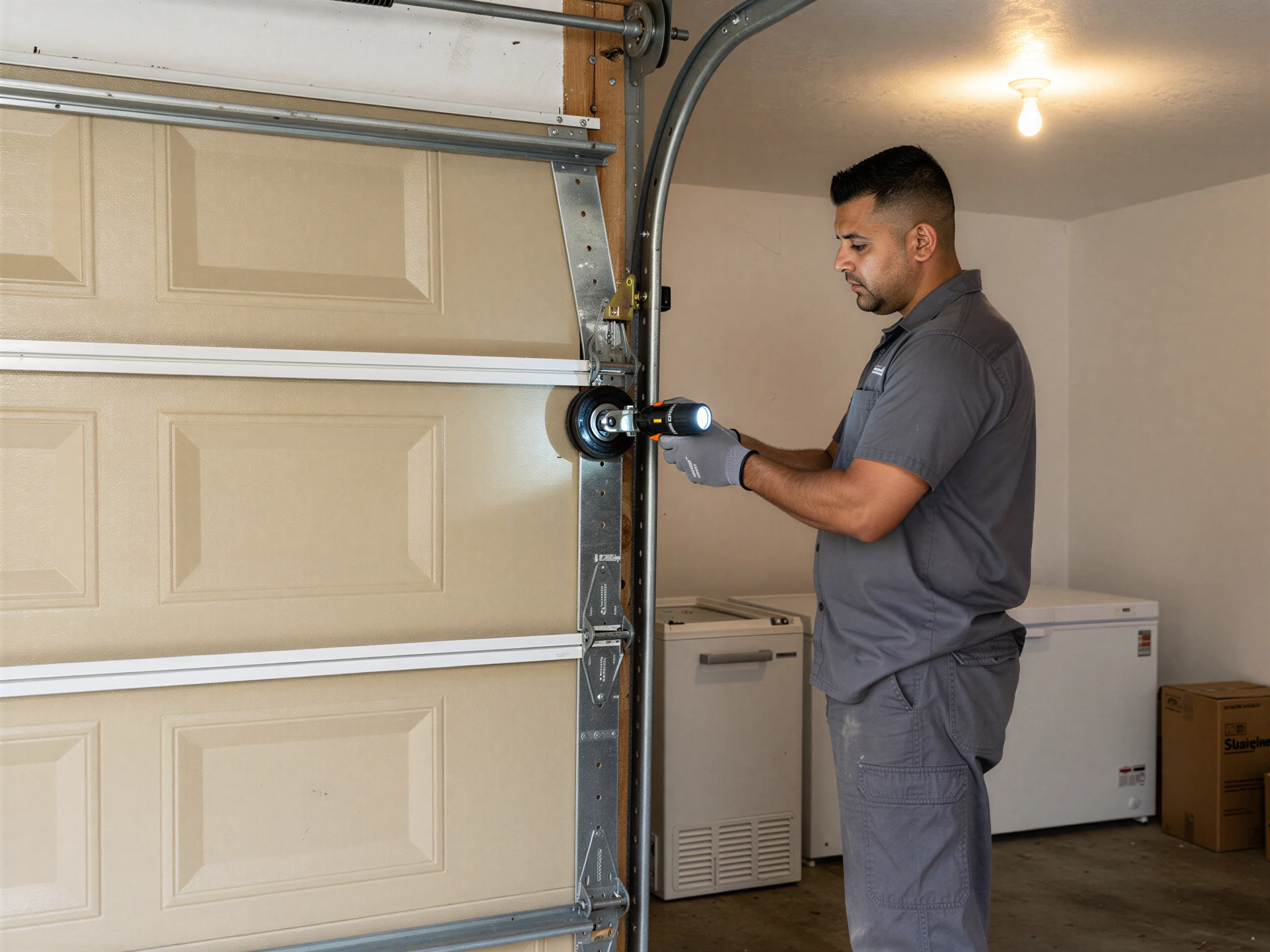
Housing in the Dover service area went up mostly between 1938 and 2008, with the median build year landing around 1990. That matters because garage door torsion springs are rated by cycle count, not years, and a spring installed when a house was framed in the late 80s or early 90s is now well past the point most manufacturers expect it to fail. Across the 19 named communities we work in, the bulk of that stock is this same 80s-90s generation, which means a lot of houses are hitting spring failure age in the same window.
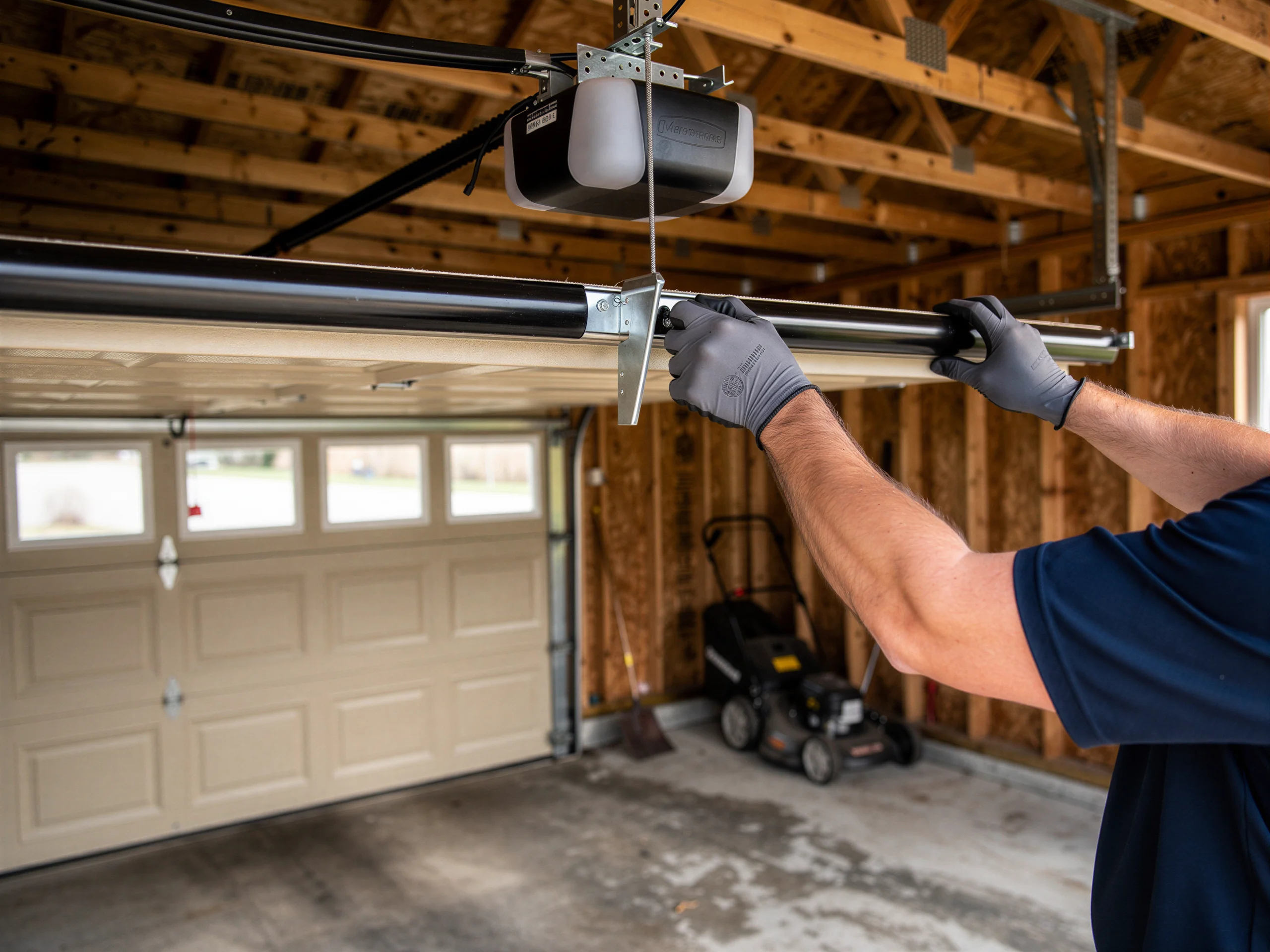
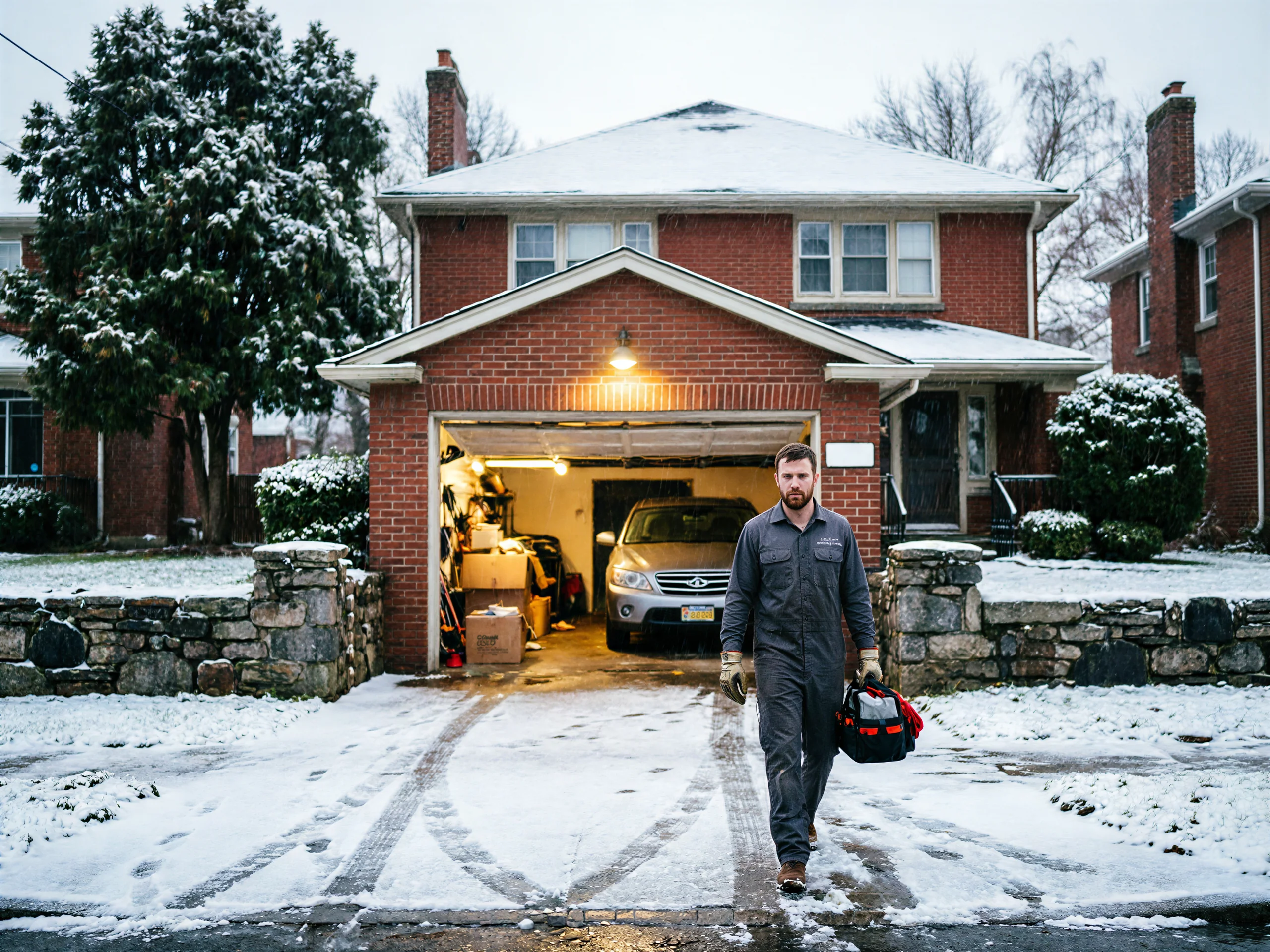
Dover also sits in a climate band the federal data marks cold-severe. Steel contracts in hard freezes, and a garage door panel that's slightly out of square in July can bind on its tracks the first real cold snap of the year. Openers set up decades ago, before today's force-sensing safety requirements, often weren't dialed in for that kind of seasonal swing to begin with. Put the two together - aging torsion hardware and a climate that stresses steel and lubrication twice a year - and you get a pattern of calls that cluster hard every fall and every spring, not evenly through the year.