Blog
Fixing vs. Replacing: What Dover's Older Garage Doors Can Still Handle
Most Dover-area houses were built between 1938 and 2008, many in the 1980s and 90s. Here's how to tell if your garage door is worth repairing or needs to go.
What Is Going On
Housing around Dover spans a long stretch, built anywhere from 1938 to 2008, with the median home dating to about 1990. That's not a small range. It means a lot of the doors we look at aren't from one era - they're from whatever decade that particular street got built out. Across the 19 named areas we work in, from Highland Acres to Camden to Rising Sun-Lebanon, the bulk of the stock skews 1980s and 90s. If your house falls in that window, there's a decent chance the door, the opener, or at least the track and spring setup is original or close to it.
That matters because a door built in 1988 doesn't use the same hinge spacing, cable gauge, or spring winding as one built in 2015. Parts drift over time even within the same brand. When a homeowner in Wyoming or Camden Wyoming calls about a door that 'suddenly' won't open, it's almost never sudden - it's thirty-plus years of a torsion spring doing its job finally catching up with it. The door isn't broken because something went wrong today. It's worn because of how long it's been running.
What the Weather Here Does to It
Dover sits in a cold-severe climate band, and that's the detail that shortens the life of garage door hardware faster than age alone would. Cold makes steel springs brittle at the metal level, long before they look worn. It also stiffens the lubricant in rollers and hinges, so an opener motor starts working harder on cold mornings than it does in July - straining a gear set that was already thirty years old to begin with.
Tracks are the other piece. Cold causes metal to contract, and on an older track that's slightly out of alignment from decades of use, that contraction is enough to turn a minor rub into a roller jumping the rail. We see this pattern most on original doors that haven't had the track reset since installation - which, given the build years across this area, is a lot of doors. None of this means the door is failing. It means cold weather exposes wear that was already there.
What to Look At First
Before you decide a door needs replacing, look at three things. First, the springs - if you can see visible gaps in the coils when the door is down, or if the door feels noticeably heavier to lift by hand than it used to, that's spring fatigue, not a design flaw. Second, the rollers - steel rollers on an older door wear a groove into the track over time, and that groove is what causes the grinding noise you hear on cold starts. Third, the opener's gear - a motor that runs but doesn't move the door, or moves it slower than before, is usually a stripped internal gear, a cheap part to replace on its own.
What you're not checking for, at least not first, is the panel finish. Cosmetic wear on an older door - faded paint, a few dents - doesn't tell you anything about whether the door is safe or functional. A door with ugly panels and a sound spring and track setup is still a door worth keeping.
Doing Nothing For Now
Here's the honest part: not every older door needs attention right now, and we won't tell you otherwise to get a call booked. If the door opens evenly, the springs show no visible stretch or gap, and the opener reverses properly when it hits resistance, you can leave it alone for another season even if the house was built in the 1980s or 90s like most of what's around Dover.
Where we draw the line is parts availability. Some original hardware from houses built in the earlier end of that 1938-2008 range uses spring sizes or track profiles that aren't stocked anymore, and matching them means either a custom order with real lead time or a full hardware swap instead of a single-part fix. If a repair starts needing three hard-to-find parts to fix one door, replacing the unit is usually the cheaper and faster path, not the upsell. We'll tell you straight which situation you're in before any work starts.
Questions
Common questions
How do I know if my garage door is original to the house?
Check the manufacturer label, usually on the inside of the top panel or near the opener rail, for a date code. Given that most houses in the Dover area were built between 1938 and 2008 with a median around 1990, a door with no label or a worn-off label is often original and matches whatever decade the house went up.
Does cold weather actually break garage door springs?
Cold doesn't break a sound spring outright, but Dover's cold-severe winters make steel more brittle and accelerate fatigue in a spring that's already stretched from years of cycling. That's why spring failures cluster in the colder months even though the spring was wearing down gradually all year.
Is it worth fixing a 30-year-old garage door instead of replacing it?
Often yes, if the panel structure is sound and only the spring, roller, or opener gear has failed - those are standard parts. It stops being worth it when the original hardware size isn't stocked anymore and multiple parts need custom sourcing at once; at that point a full replacement usually costs less than chasing parts.
Recommendation
You Might Also Like
More garage door guides for Dover homeowners.
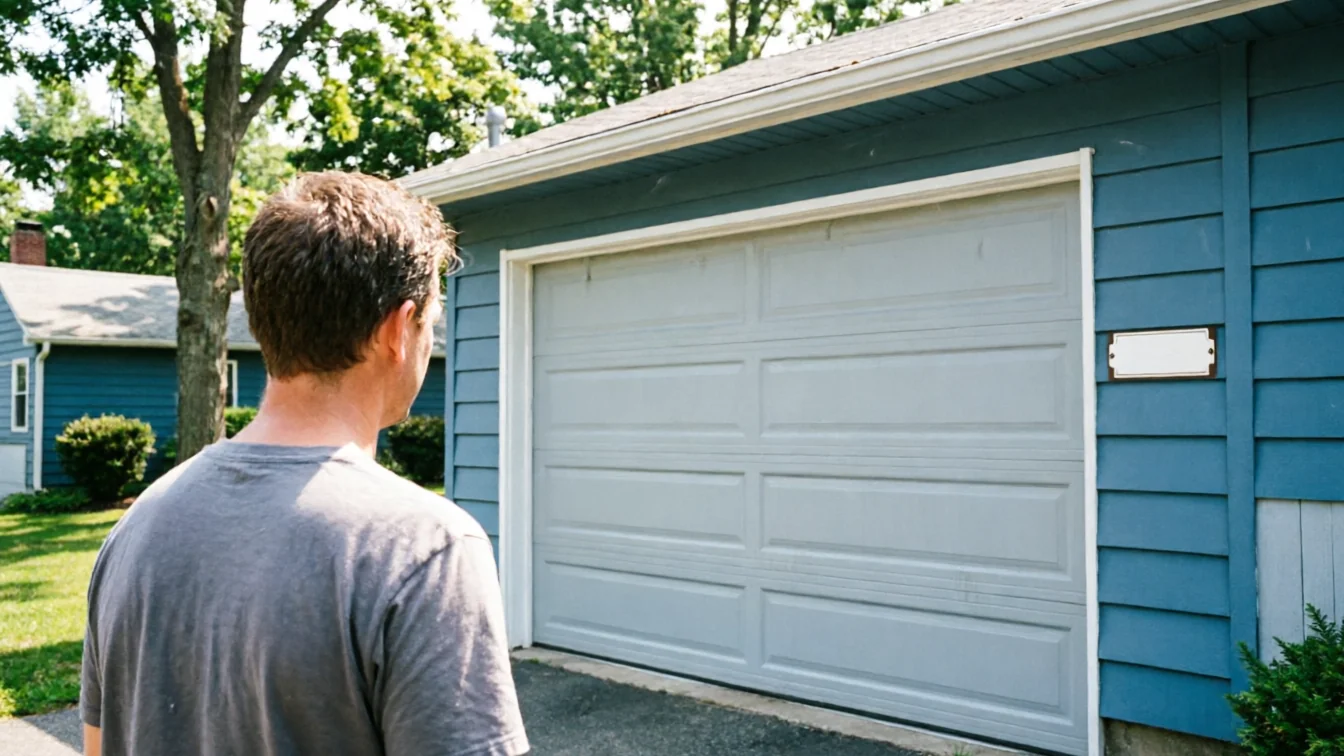 What Dover's Older Garage Doors Are Up Against
Most houses in the Dover area were built between 1938 and 2008, median 1990, with garage doors sized for a different climate than today's cold-rated code.
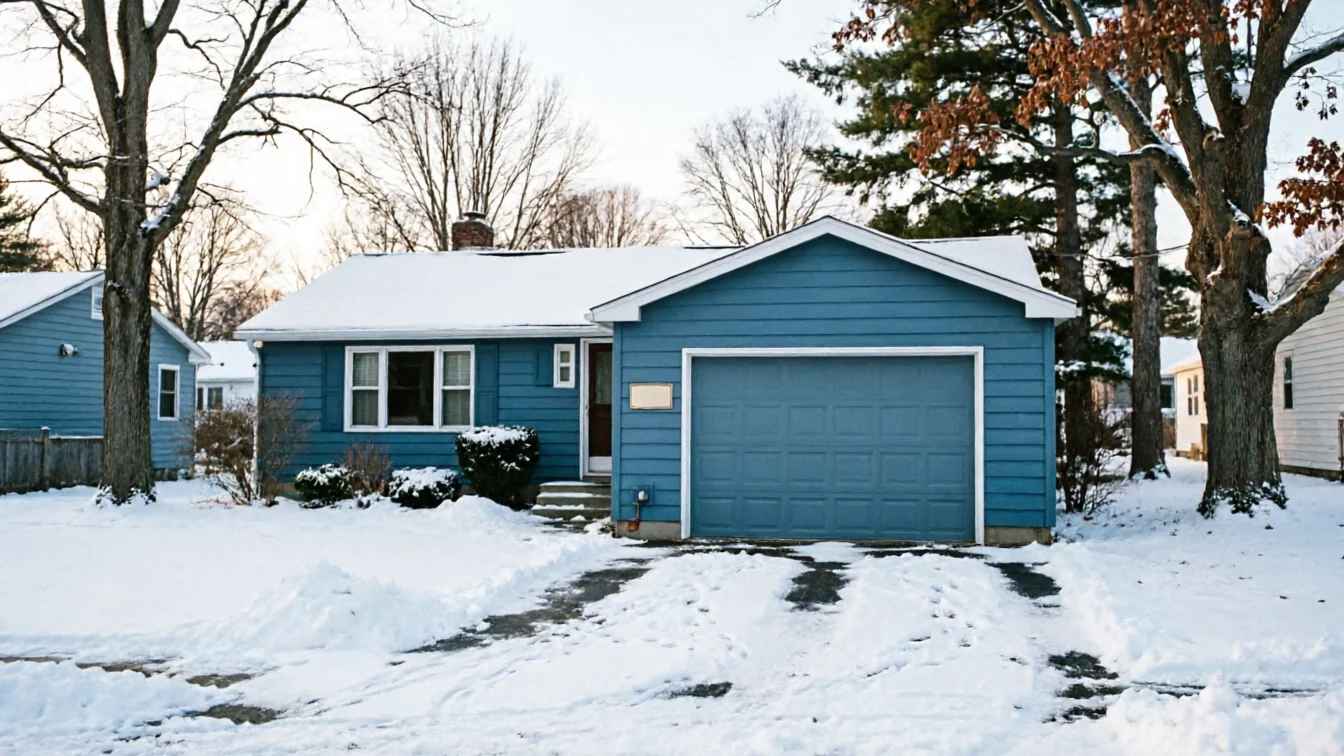 What Cold-Severe Winters Do to Dover's Older Garage Doors
Dover, DE homes built between 1938 and 2008 face cold-severe winters that strain older garage door springs and torsion hardware.
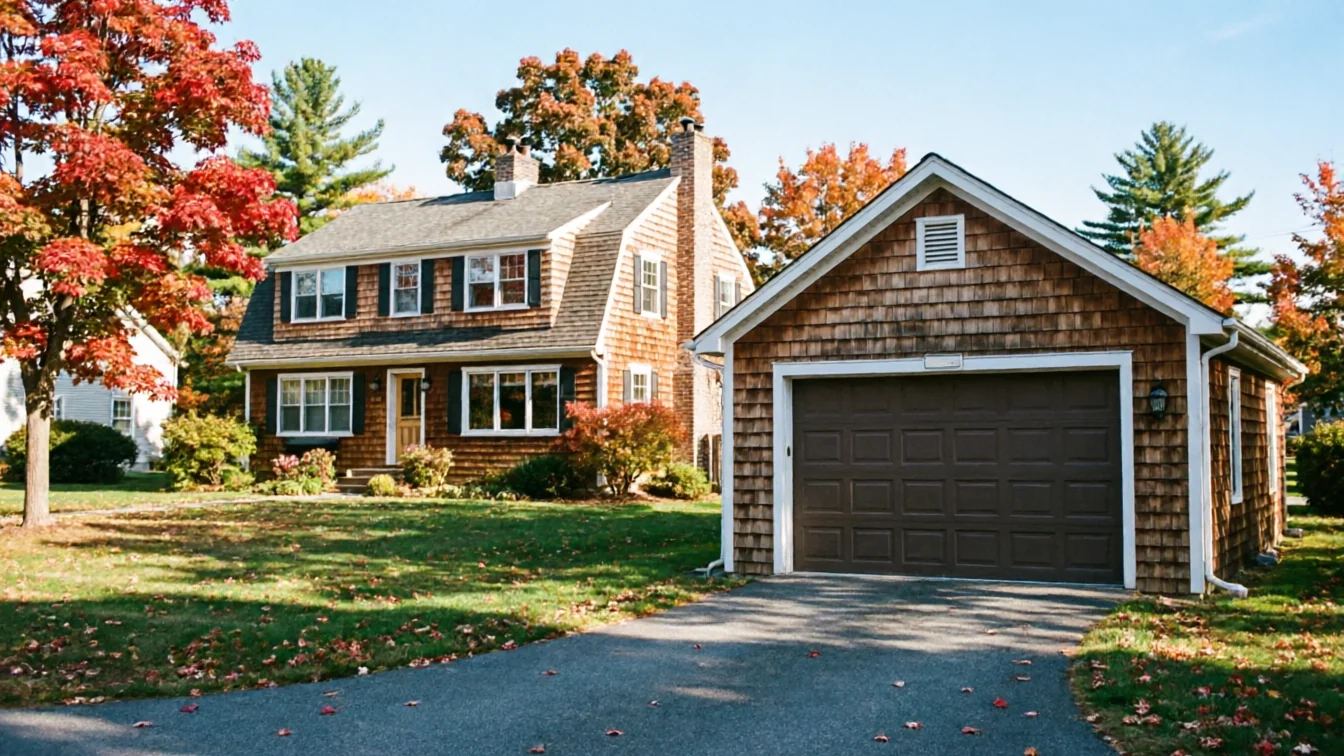 When the Power Goes Out and the Opener Won't Move
Dover homes built 1938-2008 run openers that predate today's battery-backup standards.
Ready when you are
Need a garage door sorted in Dover?
Dover Garage Door Pros repairs and installs garage doors, springs and openers in Dover, DE and the surrounding area.