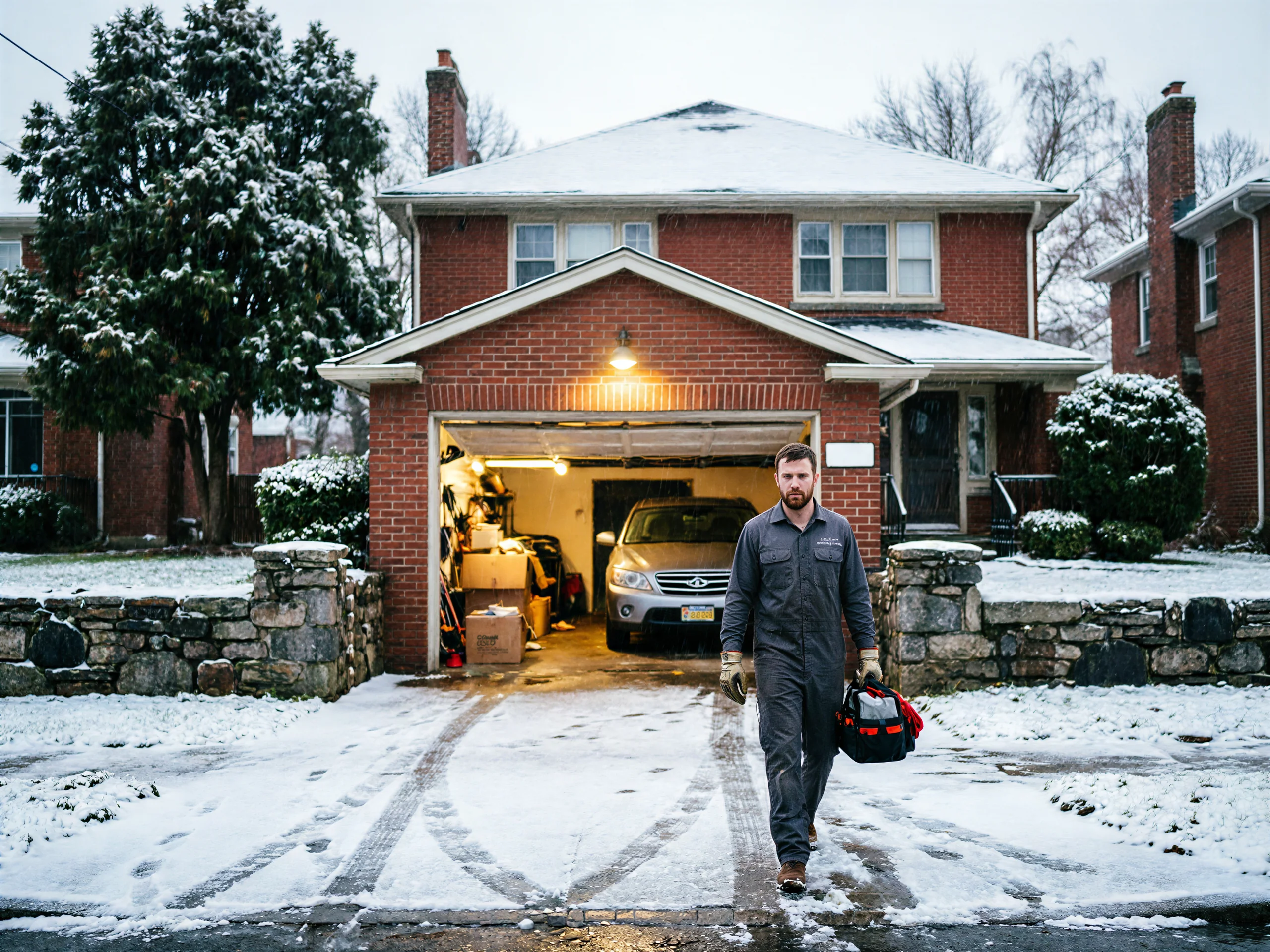
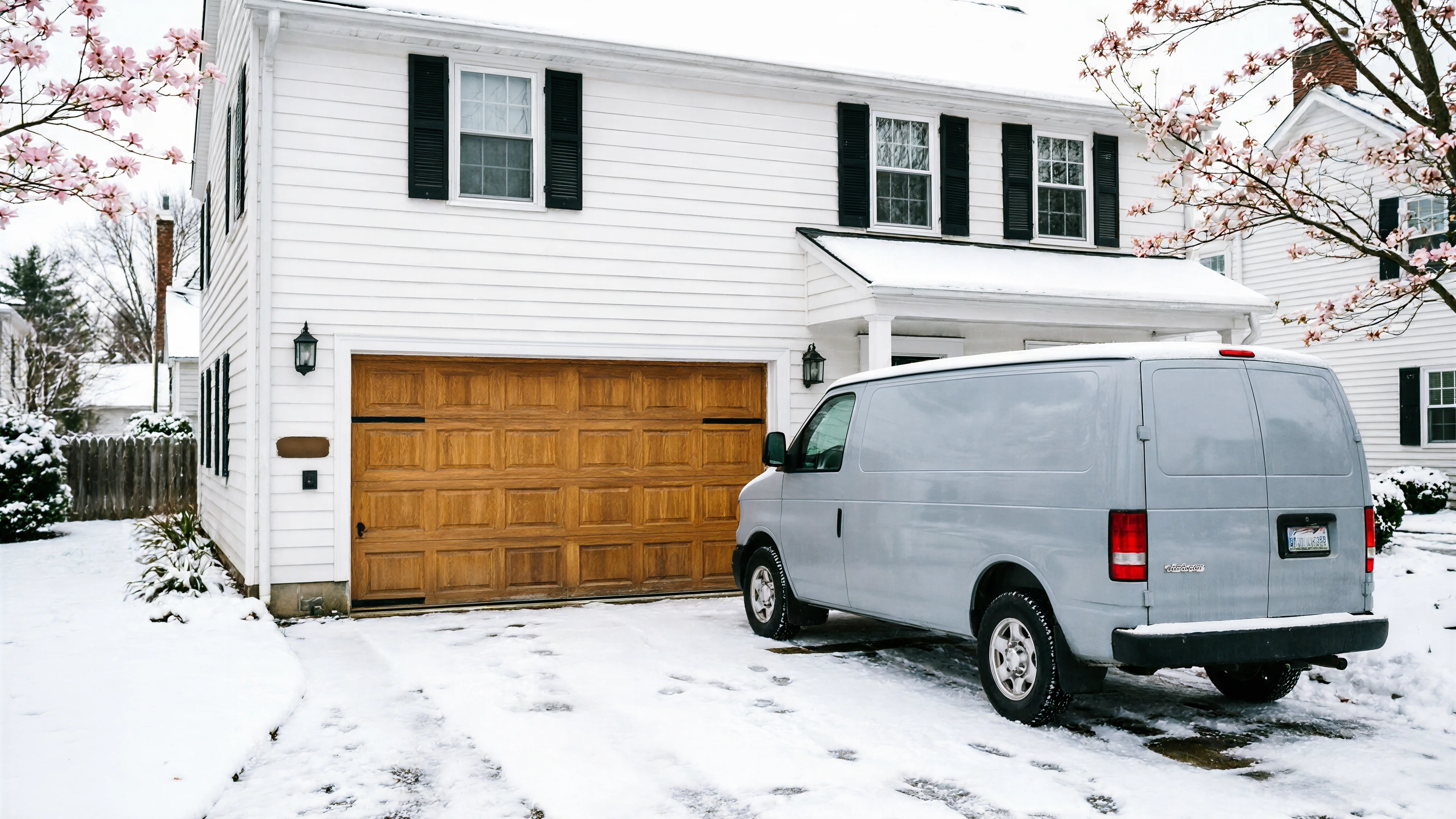
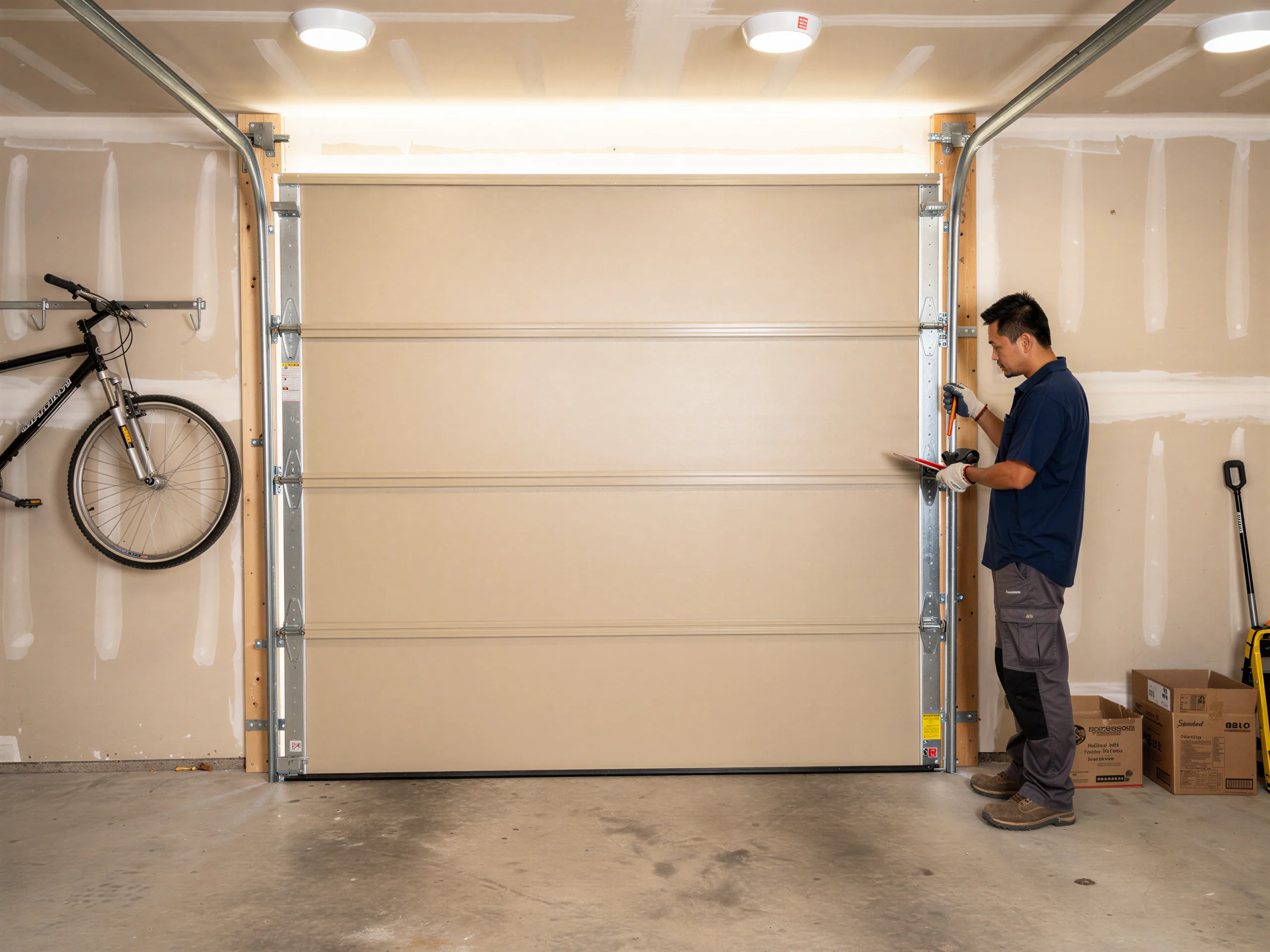
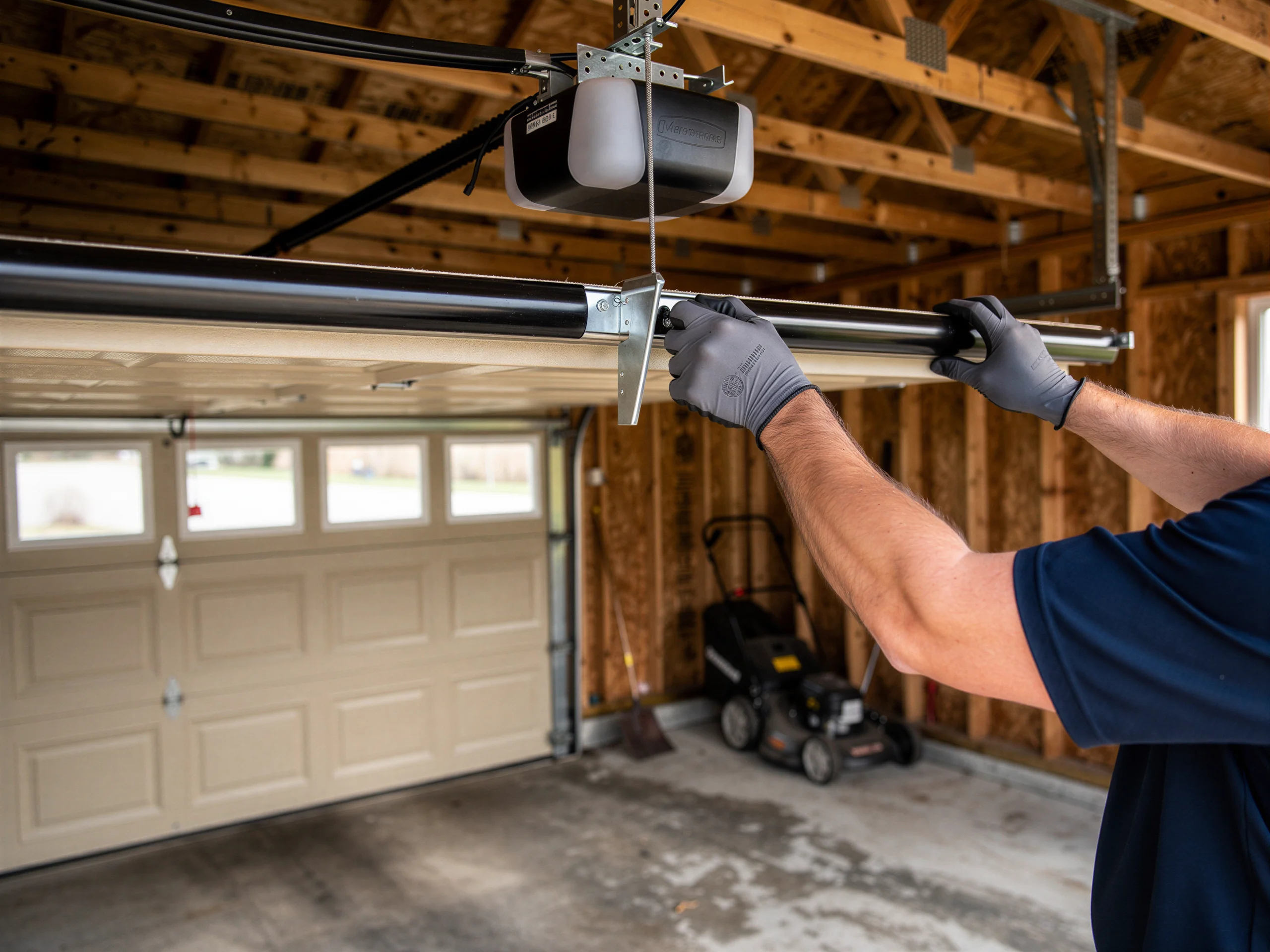
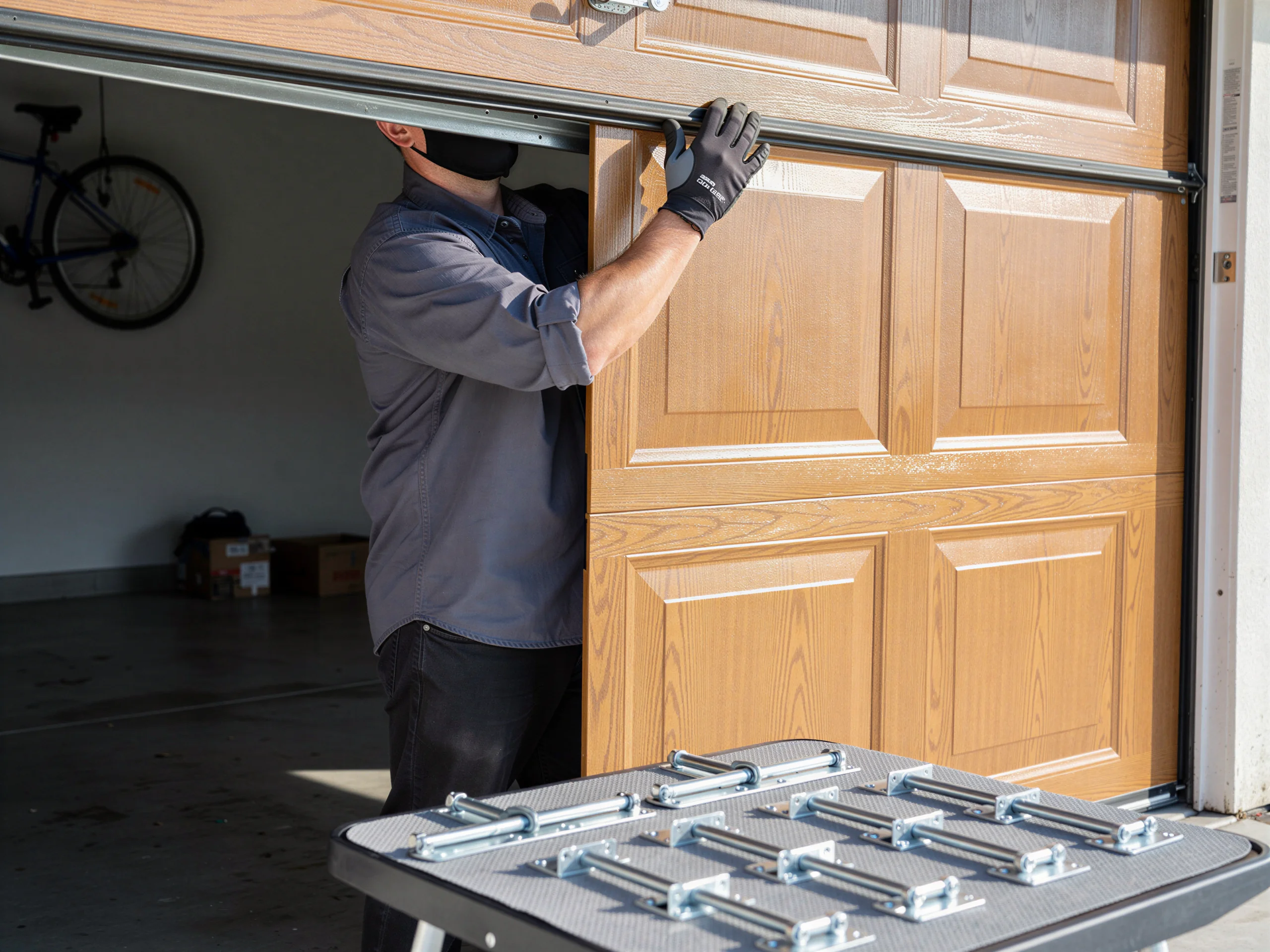
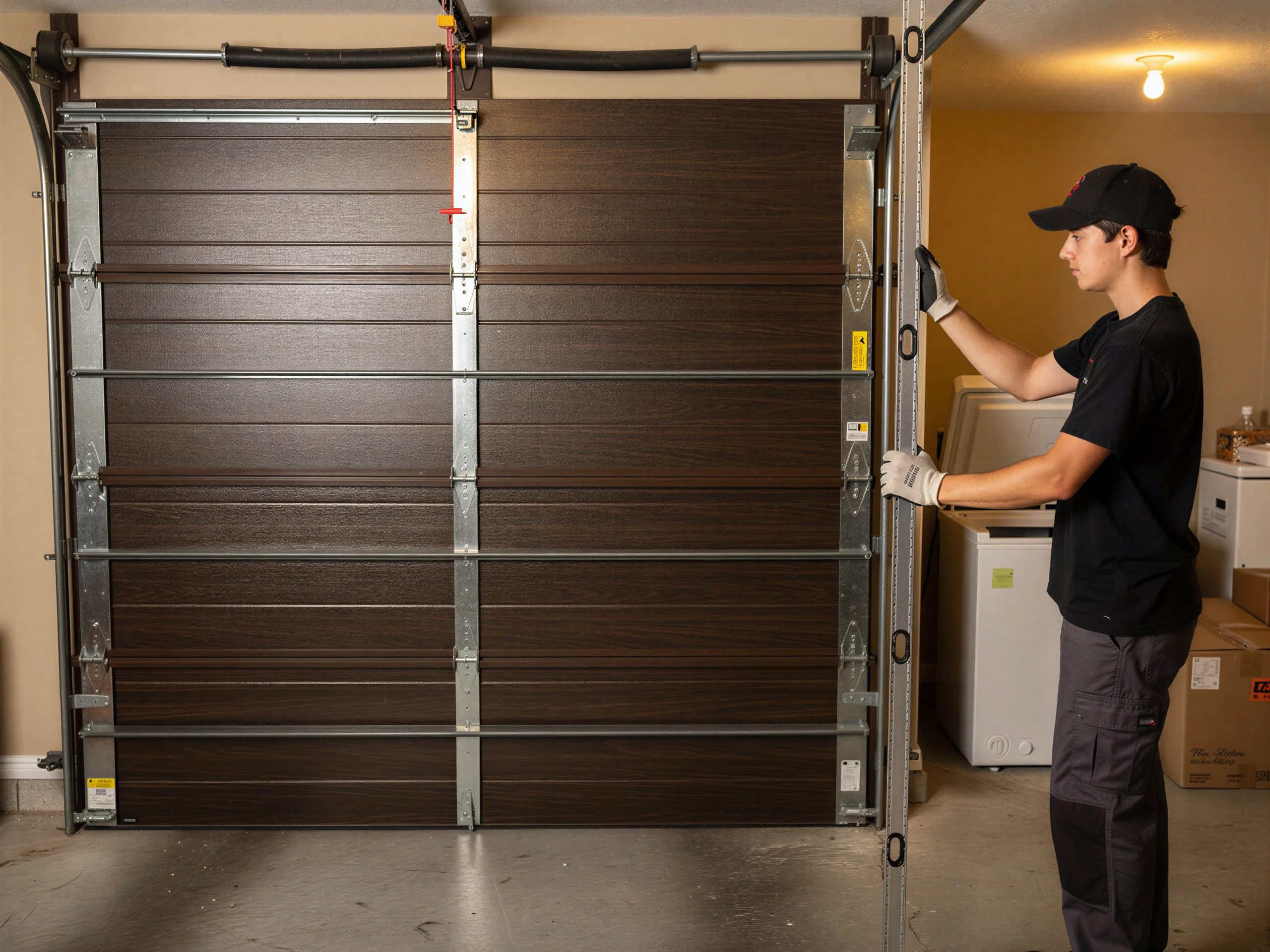
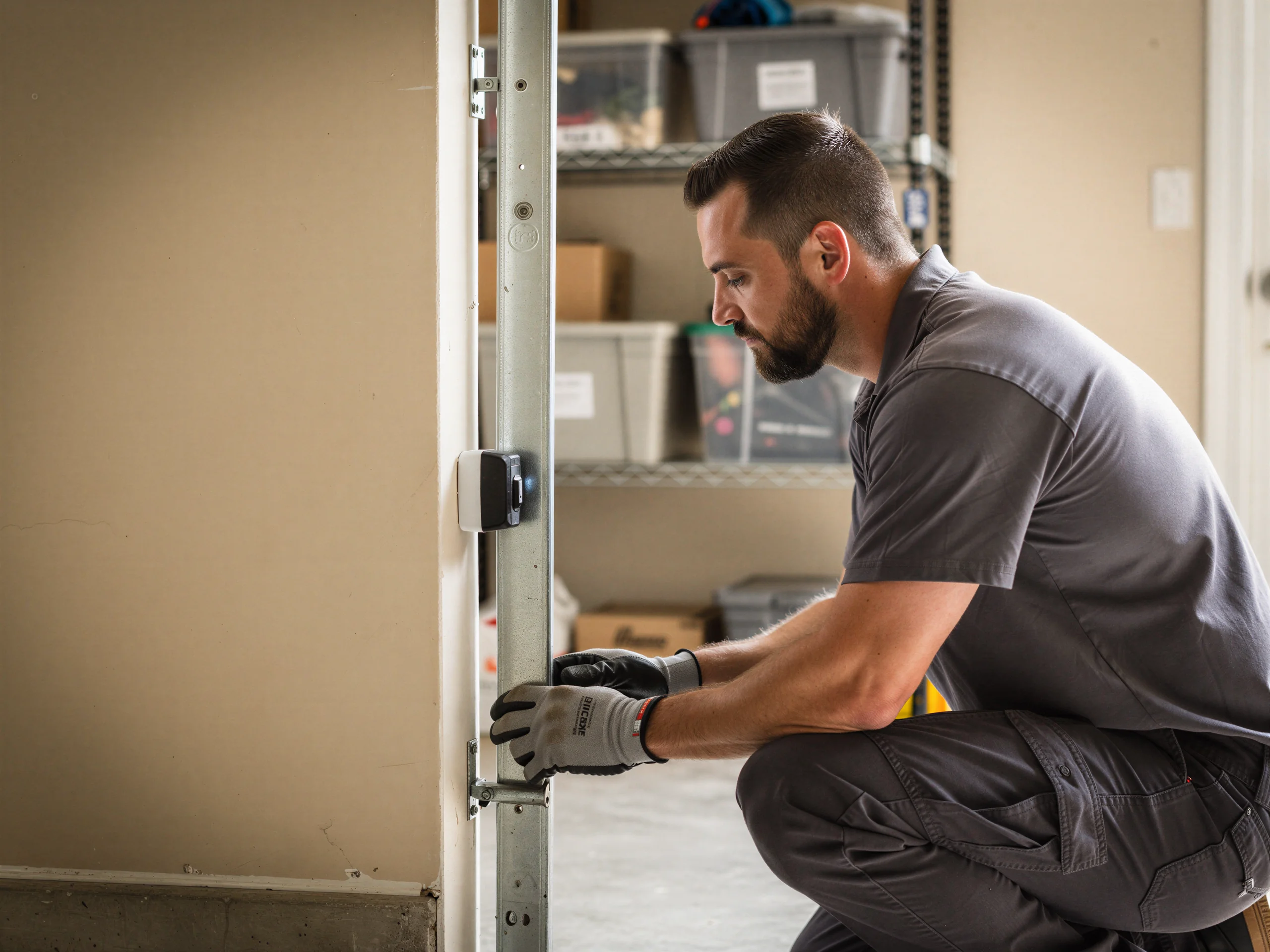
Dover's housing stock runs from 1938 to 2008, with the median build year sitting around 1990, and most of the 19 named areas we cover carry heavy 1980s and 90s construction. That matters for garage doors because it means two different eras of hardware are still in daily use side by side: older extension-spring setups on homes from the 70s and earlier pockets, and the torsion-spring systems that became standard through the 80s and 90s boom. Neither era was built for what Delaware winters do to steel.
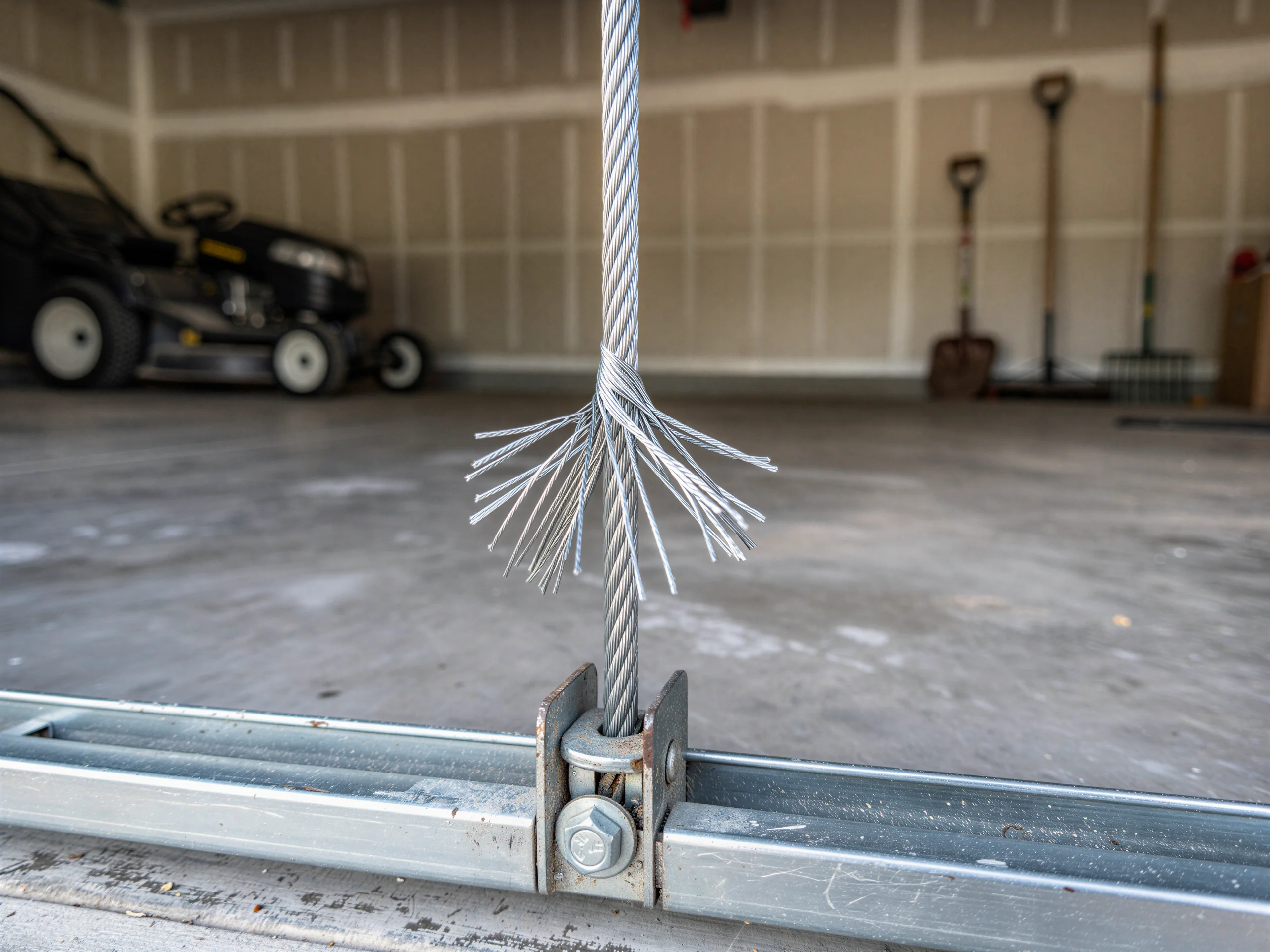
This region sits in a severe cold climate band, and that's the detail most homeowners don't connect to their garage door until a spring lets go on a Tuesday night. Cold steel loses flexibility. A torsion spring rated for thousands of cycles in a mild climate fatigues faster here, and the freeze-thaw swing through a Dover winter puts extra stress on the coil every time the door cycles. Extension springs on the older end of that 1938-2008 range are worse off - many have outlived any reasonable service life and were never fitted with a safety cable in the first place.
Add in 22,301 households across the service area, the bulk of them owner-occupied, and you get a lot of doors built to a code and climate expectation that's now decades out of date. The failure isn't random. It's the housing age plus the cold doing exactly what you'd expect.