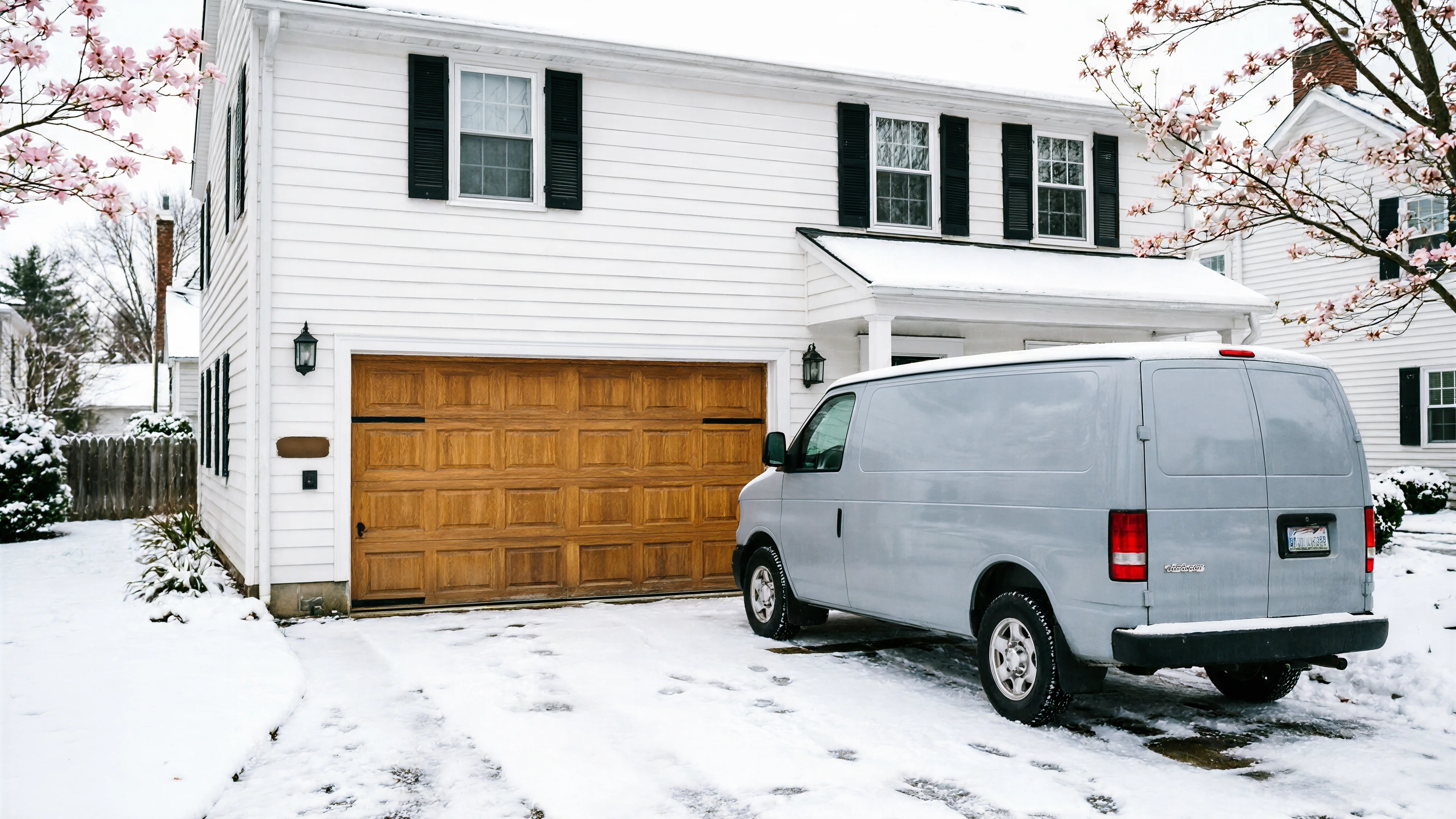
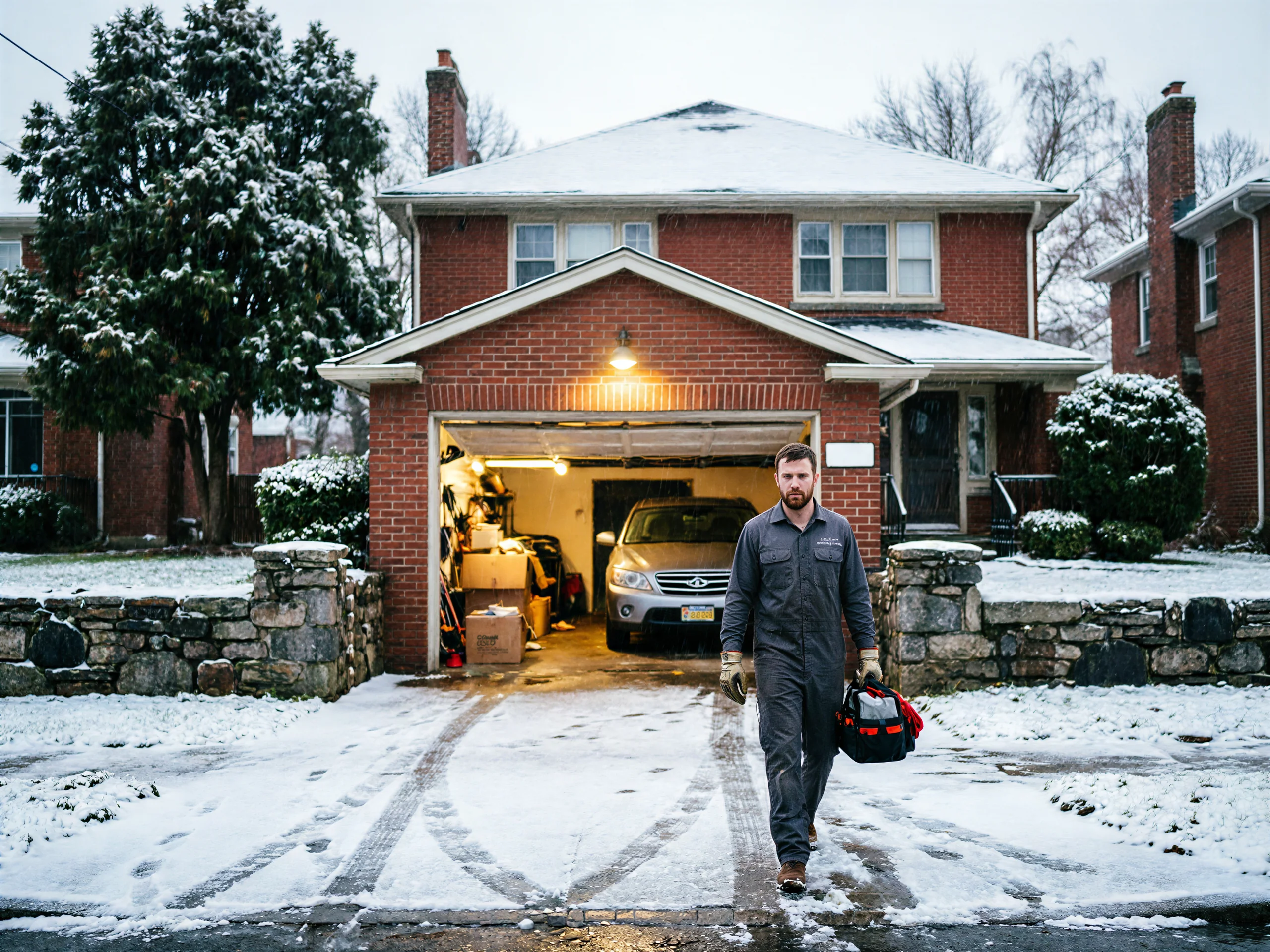
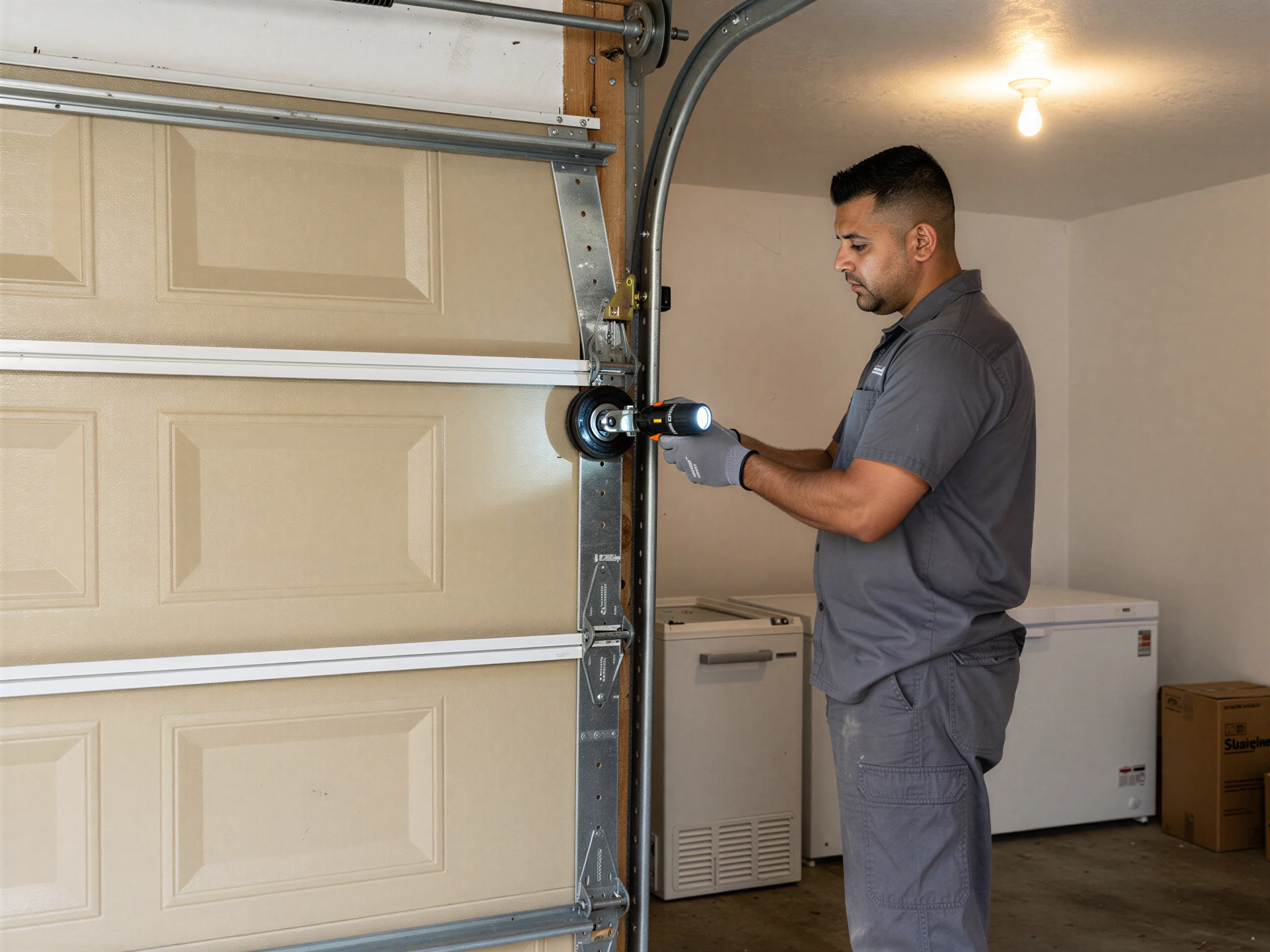
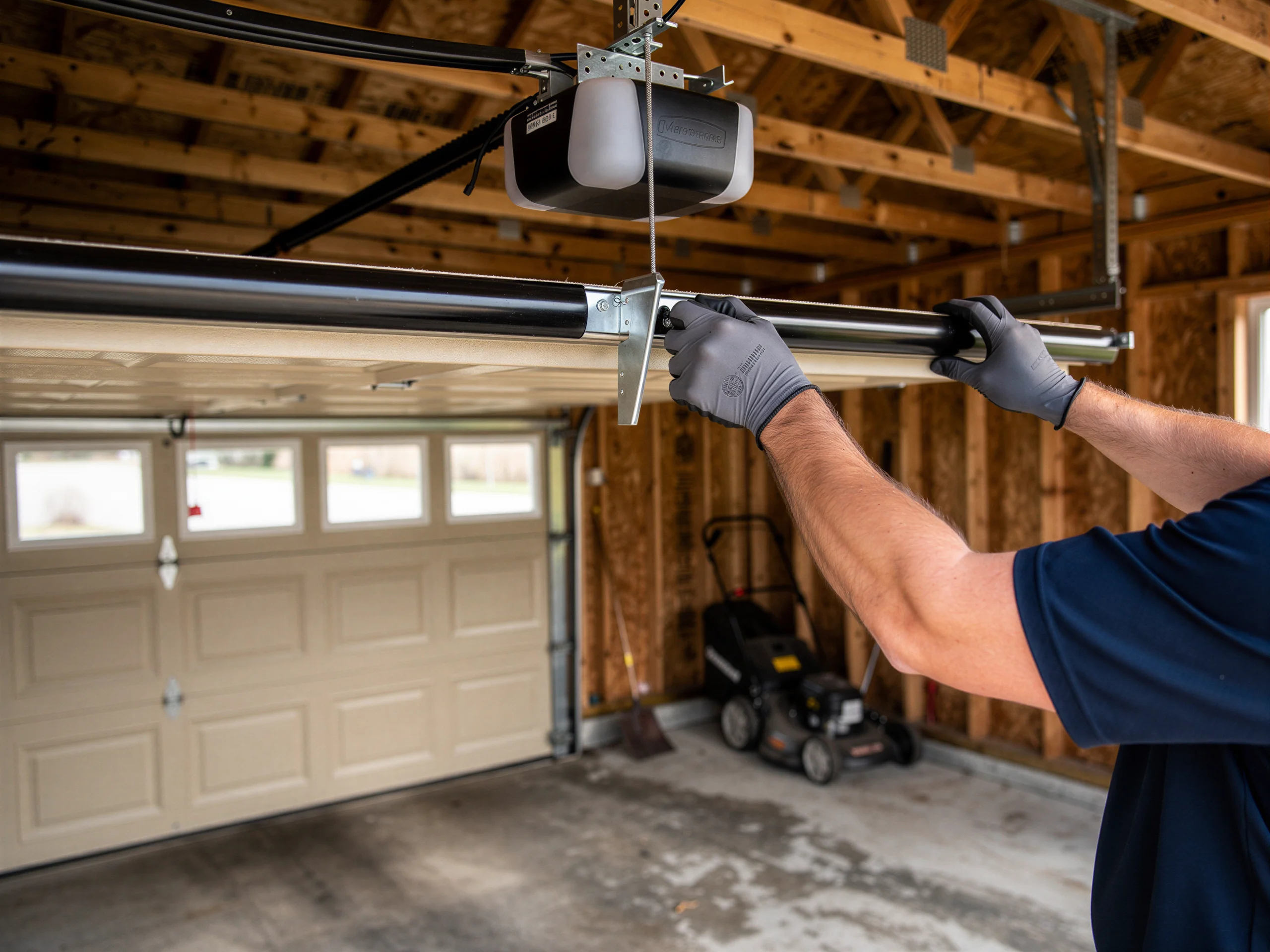
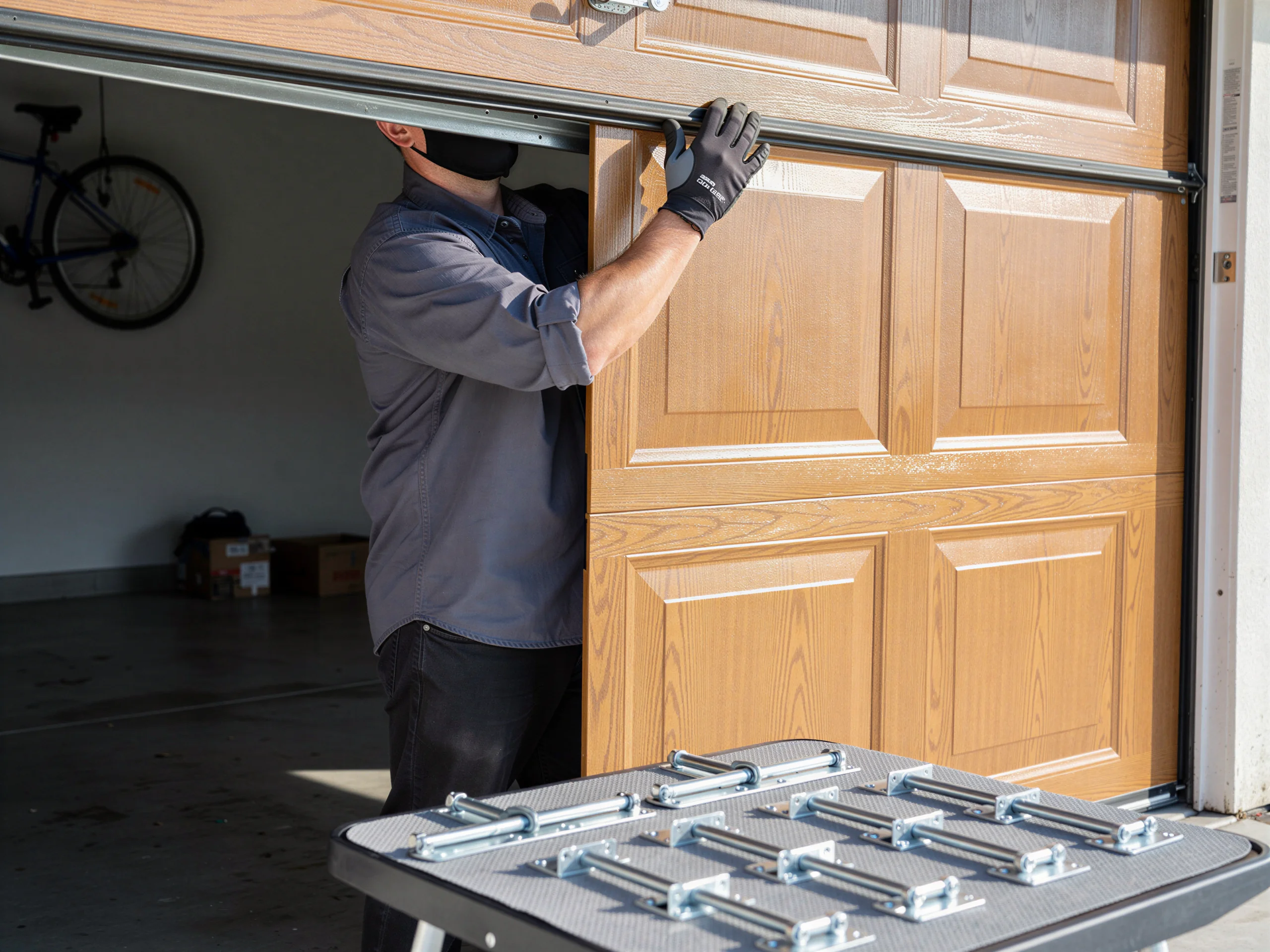
Smyrna sits about 10 miles from our Dover shop, far enough that we load the truck with every cable size we might need before we leave rather than guessing and driving back. That drive shapes how a cable call here actually runs: one trip, one stocked truck, no second visit for a part we didn't bring.
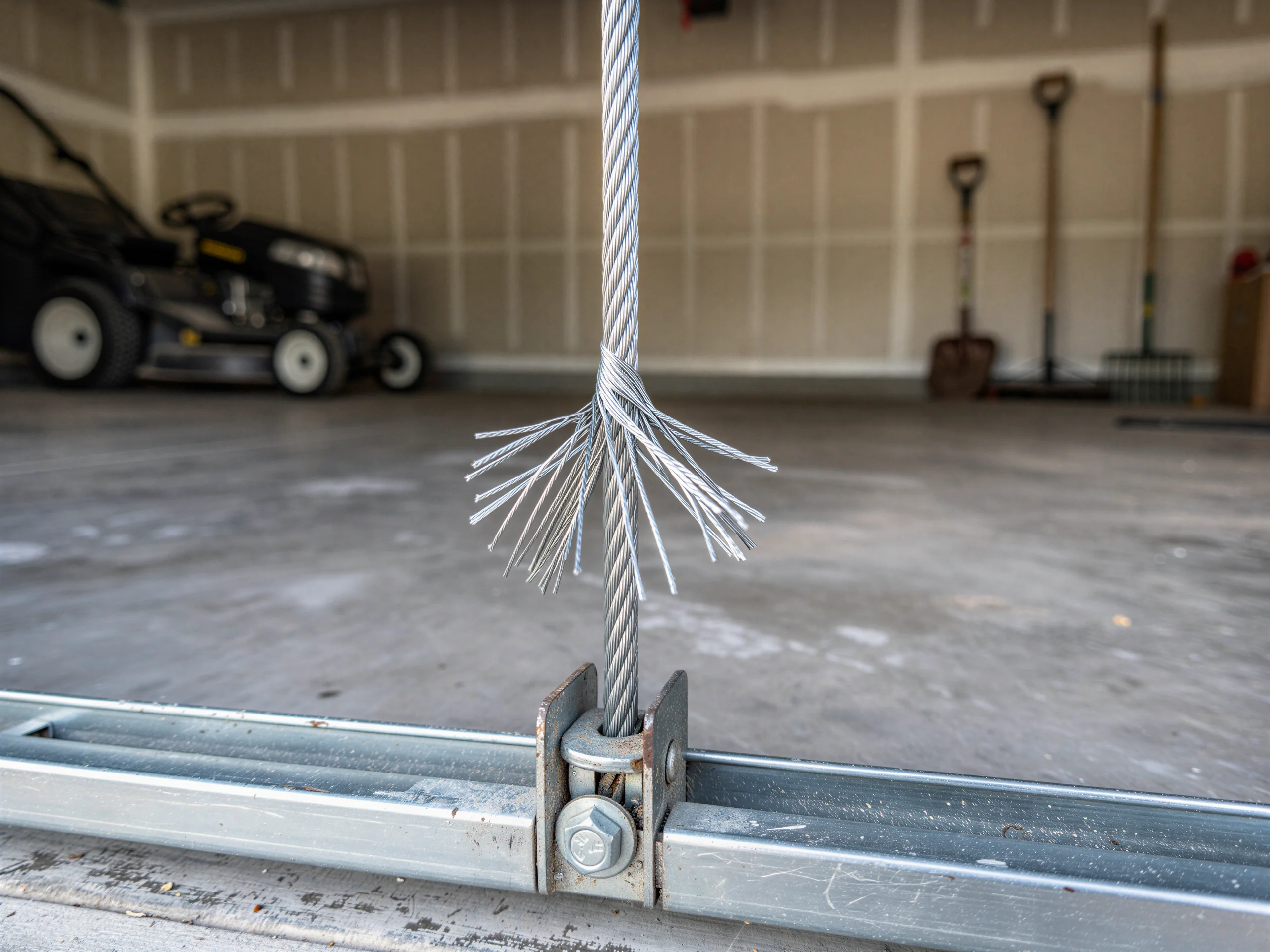
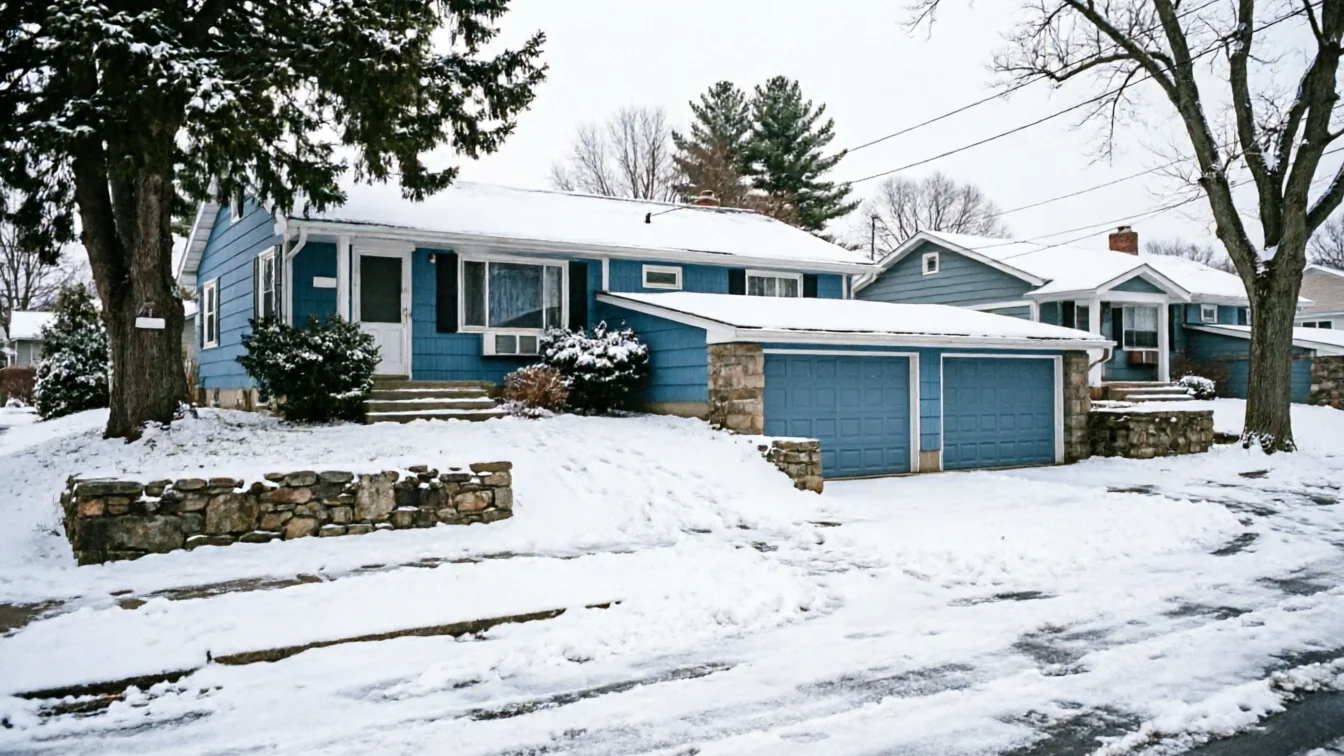
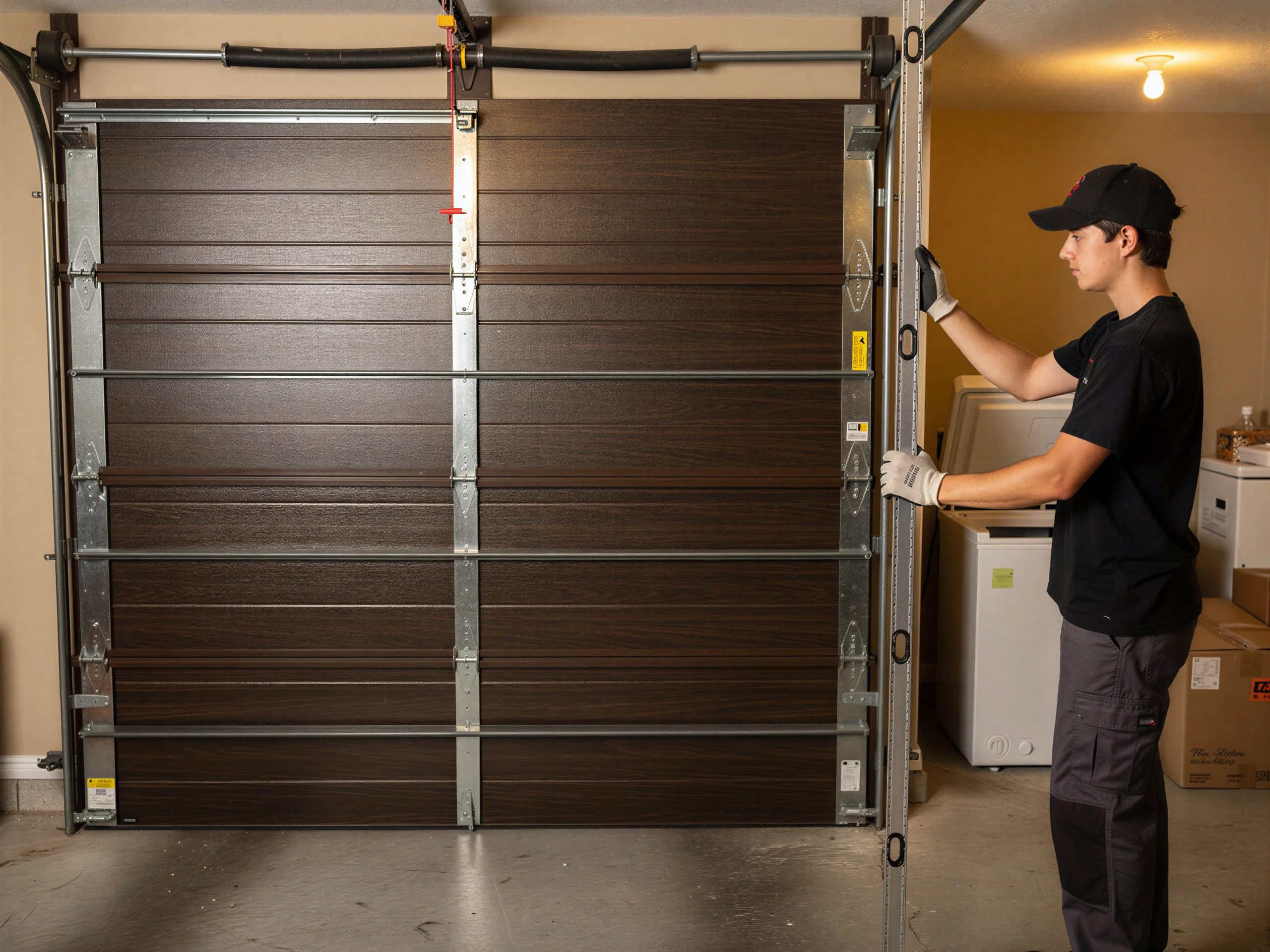
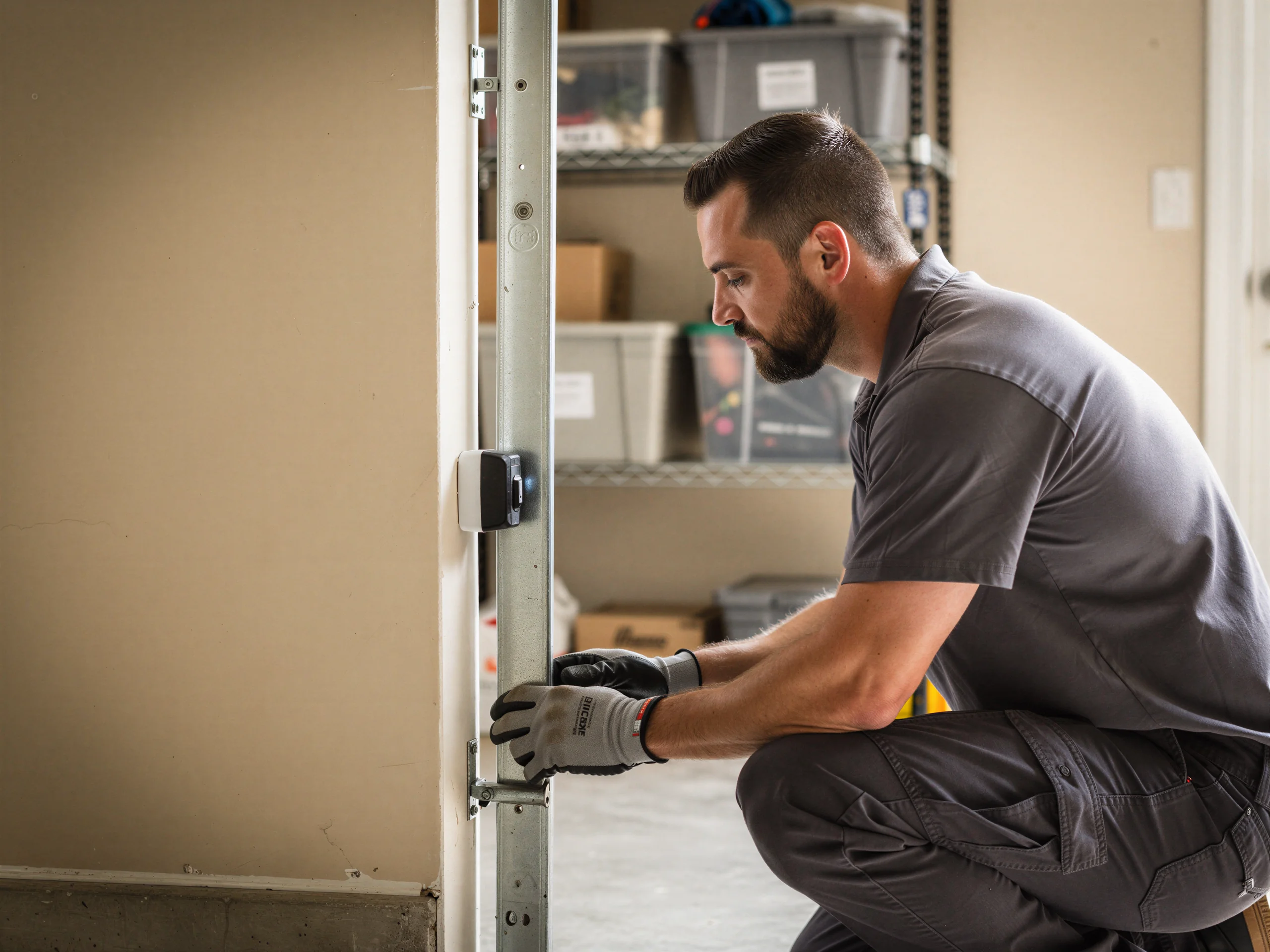
The cable problem itself is tied to what's on the ground. Across the wider service area, the housing stock runs from 1938 up to 2008 with a median build year of 1990, but Smyrna's own stock skews newer, more 2002 and later. That matters because newer doors here are almost always on torsion spring systems with galvanized lift cables run through standard drums and bottom brackets, not the older extension-spring setups with exposed pulleys you still find on the oldest houses in the area. The failure mode is different too. On torsion setups the cable itself rarely snaps outright; it frays where it wraps the drum or where it meets the bottom bracket, usually after years of a spring that's slightly out of balance putting uneven load on one side.
The climate band here is classified cold and severe, which means winter moisture gets into that fraying point and speeds up corrosion on any cable with even a nick in the galvanizing. We see that pattern more in late winter and early spring than any other time of year.