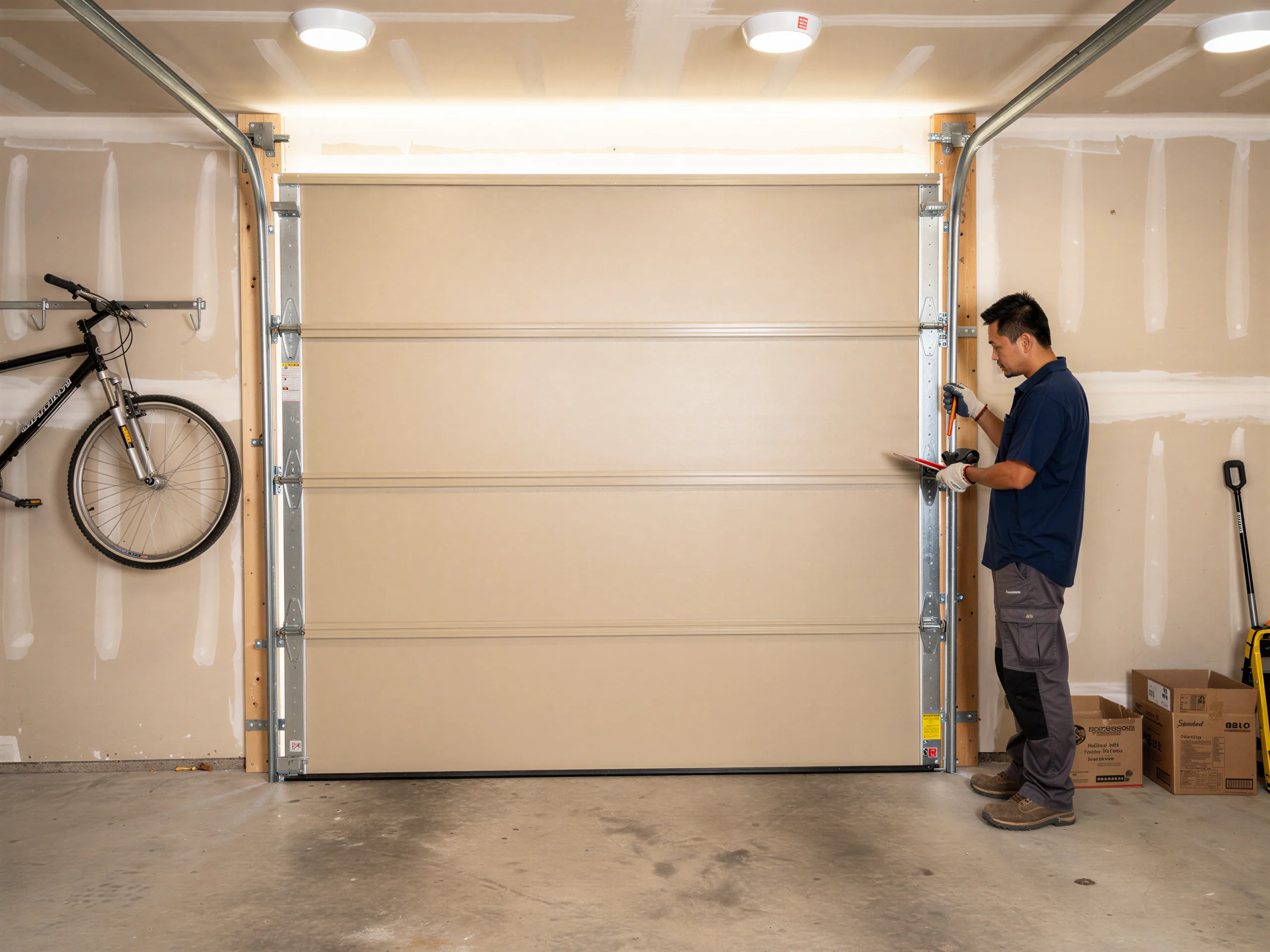
Original 2004 door hardware
That matters because a 2004-built house almost never has a replaced garage door yet - it's still running the builder-grade steel door and the stamped-steel track hardware that came with the house.
Clayton, Dover
Clayton homes mostly date to 2004, newer than much of the Dover area. See what that means for your builder-grade door, hardware, and install costs.
Warning signs
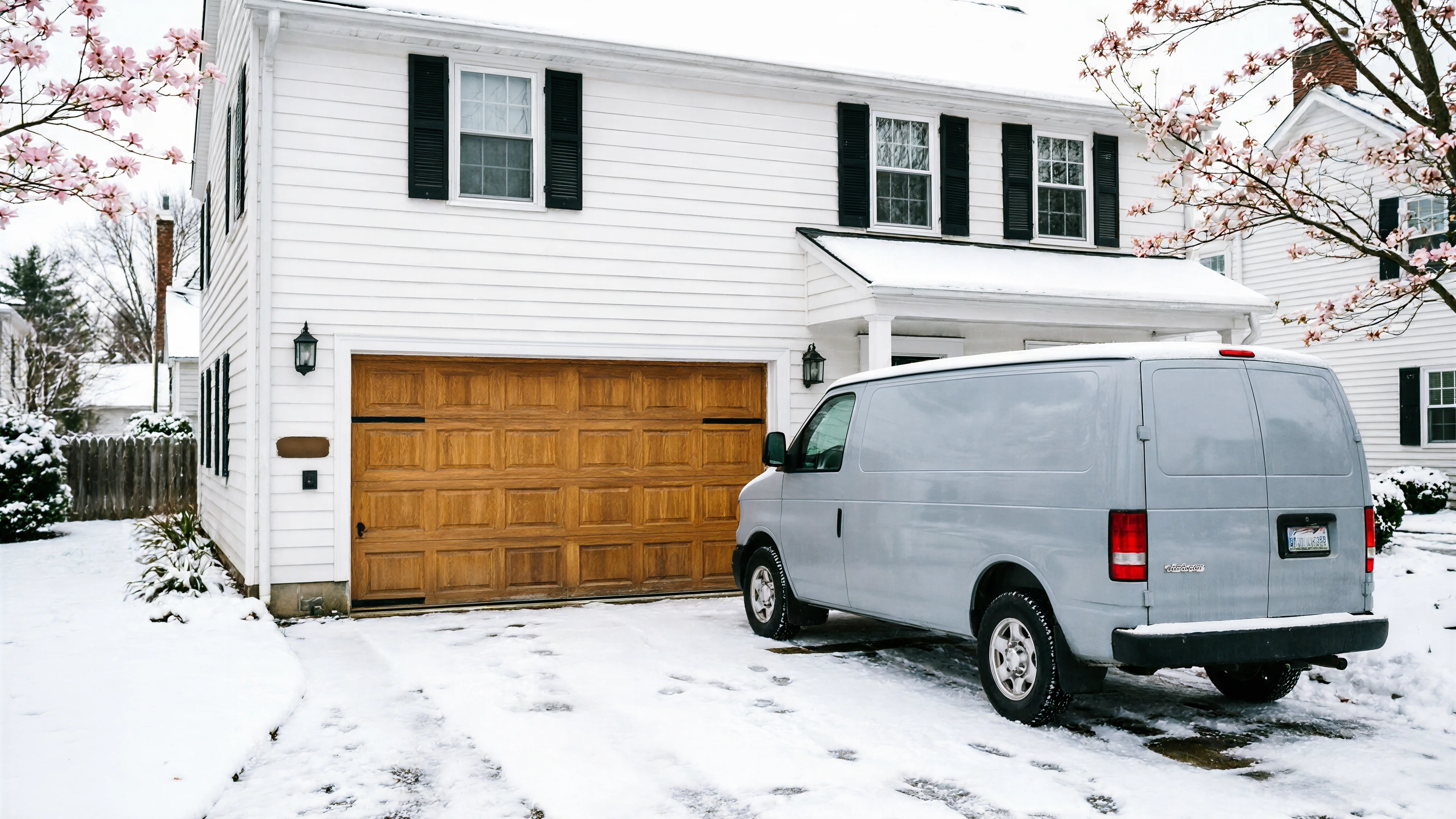
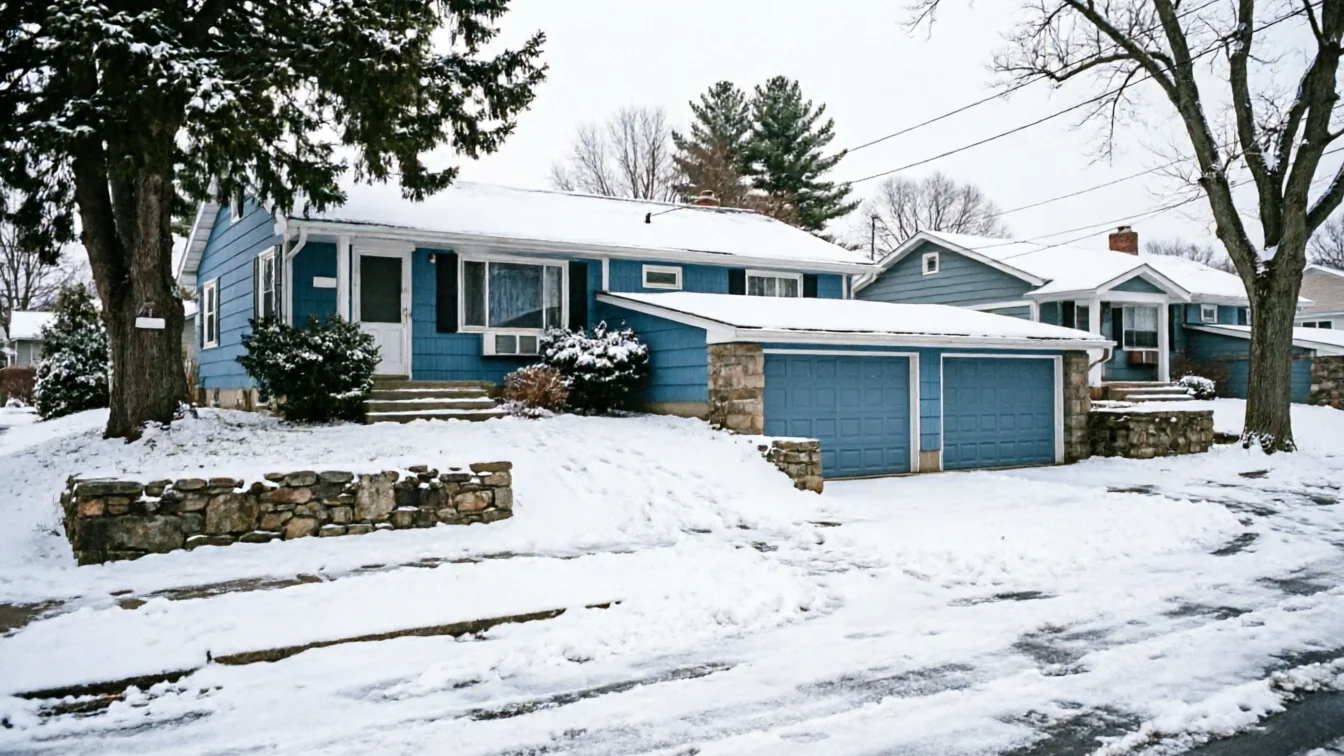
Most houses in Clayton went up around 2004, which puts this neighborhood a decade or more newer than a lot of what we see closer into Dover.
That matters because a 2004-built house almost never has a replaced garage door yet - it's still running the builder-grade steel door and the stamped-steel track hardware that came with the house.
The symptom isn't usually a broken spring on these; it's a door that's gone heavy, a panel that's started to oil-can and dent, or an opener that's the original chain-drive unit starting to grind.
Homeowners here often call us not because something failed outright, but because the door looks and sounds tired next to a house that otherwise doesn't feel 20 years old. If your springs are original to a 2004 install, they're well past the cycle count most torsion springs are rated for, even if they haven't snapped yet.
Local causes
Clayton sits in the same cold-climate band as the rest of the service area, which means winter temperature swings put real stress on steel panels and nylon rollers year after year. Combine that with a housing stock that's mostly single-generation - built once, around 2004, and rarely touched since - and you get a lot of doors reaching the end of their builder-grade lifespan at close to the same time. A $103,211 median household income in this area also means more owners are choosing full replacement with better insulation and a modern opener instead of patching a 20-year-old door panel by panel. That's not a sales pitch, it's just what we see when a builder-grade door's run its course and the owner can afford to upgrade rather than nurse it along.
Pricing
We don't have a published price list for this page, and I'd rather tell you that than make up a number.
What drives the quote is mostly the same thing in every 2004-era house here: whether you're replacing a standard steel door with another steel door, or stepping up to an insulated door given how cold this area gets in winter. Double doors cost more than single.
Add an opener swap and the number moves again. We travel out from Dover for the Clayton install itself - about 10 miles - and that's built into how we schedule the day, not into a separate trip charge line item.
On the truck
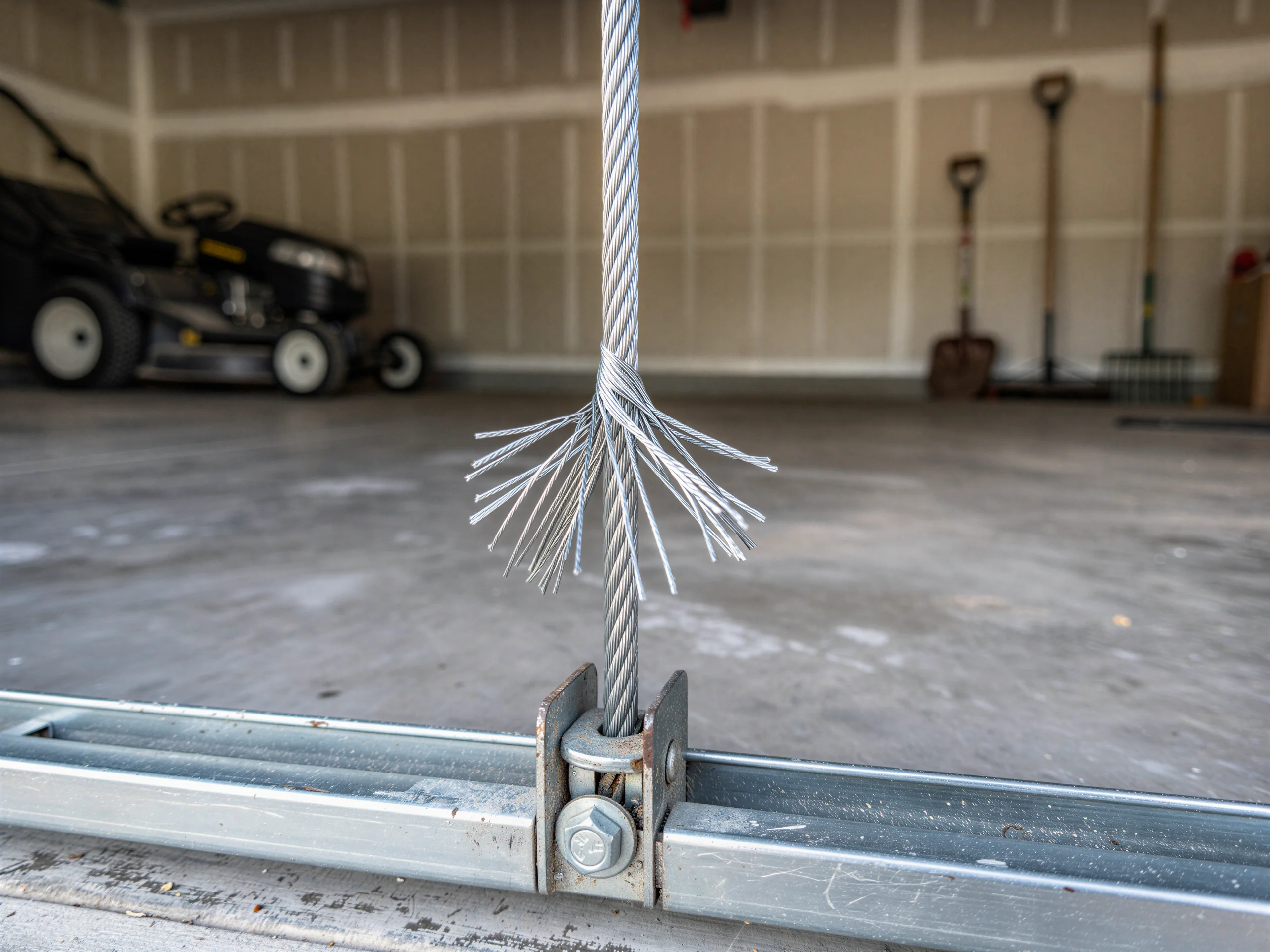
For a 2004-built door, the parts that usually need attention are torsion springs sized for the original door weight, steel rollers (we'll point out if nylon is worth the upgrade), and the track hardware that's been flexing in cold weather for two decades. We stock standard steel panel sections and common opener models, which covers most of what a builder-grade install from that era needs. What we don't keep on the truck is anything custom - a non-standard width or a specialty insulated panel in an odd color usually means ordering ahead, and I'll tell you that at the quote stage rather than after we've shown up.
Downtime
A straight swap - same size opening, standard steel door, keeping the existing opener - is typically a one-day job once the door itself is on site.
Where it stretches out is if the opening needs reframing or if we find the original hardware is a non-standard width, which does happen on some early-2000s builder spec.
If a part has to be special-ordered, the install gets scheduled for whenever that part lands, not the day we quote it. We'll tell you up front if that's where your job is headed.
Watch-outs
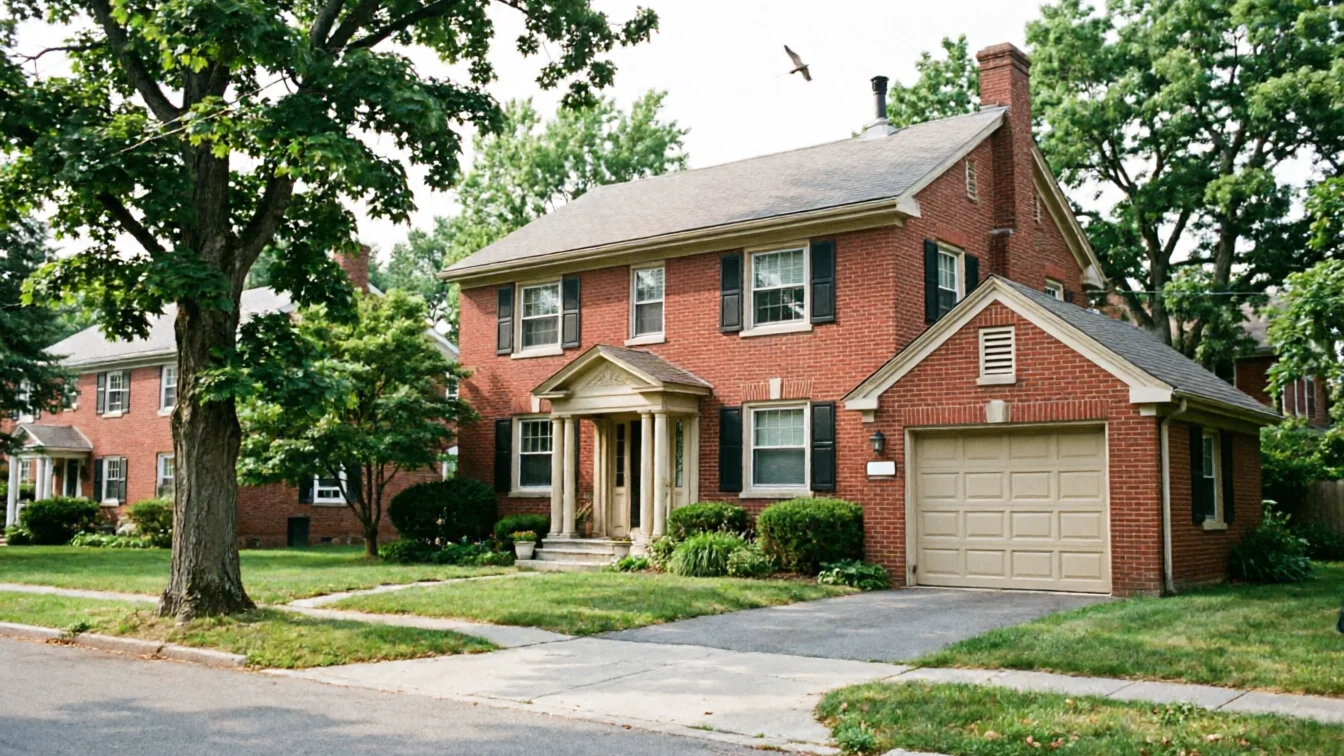
The trouble spot on a 2004-built house is almost always the header or jamb framing behind the original trim - builder-grade framing wasn't always square, and a new door has to sit square to seal right in a cold-climate winter. If the opening's out of true, that's extra labor we can't quote blind over the phone. The other place it goes sideways is reusing an original opener with a new heavier insulated door; the motor sized for a lighter builder door may not be rated for it, and we won't just bolt it back on and hope. Better to replace both at once than have you back on the phone in six months.
Questions
It depends on the door weight and the opener's rated capacity. If you're staying with a similar-weight steel door, the original chain-drive unit often still works fine. If you're stepping up to an insulated door, the motor may be undersized, and we'll check that before we reuse it rather than after.
About 10 miles from Dover. We don't keep a separate branch in Clayton - the crew and truck come out from Dover for the job, and that distance is already factored into how the day is scheduled.
Most Clayton houses date to around 2004, and the garage door is usually the one builder-grade component nobody's replaced since. Twenty years of cold-weather cycling on original springs and rollers will make a door look and sound a lot older than the house around it.
Standard steel panels, common torsion springs, and typical opener models, yes. Non-standard widths or specialty insulated panels from that era sometimes need to be special-ordered, and we'll flag that at the quote rather than after arriving.
Explore more
Ready when you are
Dover Garage Door Pros repairs and installs garage doors, springs and openers in Dover, DE and the surrounding area.